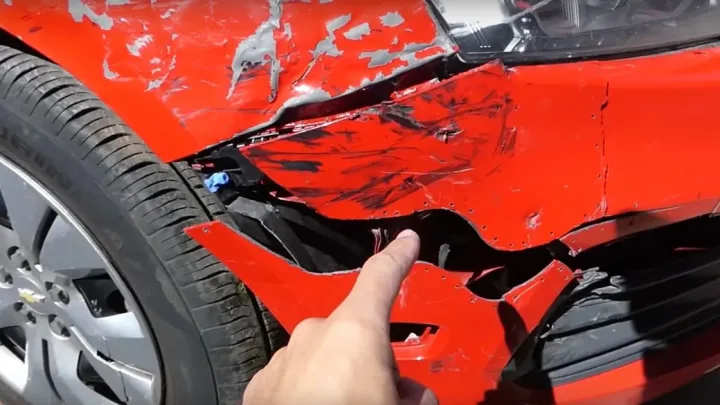
Bumper repair cost table (USA averages)
| Damage type | What it usually needs | Typical cost range |
|---|---|---|
| Light scuff on unpainted plastic | cleanup + buffing | $100–$250 |
| Painted scuff/scratch | sand + prep + paint match | $300–$600 |
| Paint touch-up (small area) | spot repair | $50–$300 |
| Dent on plastic bumper cover | reshaping / filler / refinishing | $150–$600 |
| Crack repair (plastic welding) | plastic weld + refinish | $300–$500 |
| Full bumper cover replacement (common cases) | new cover + paint + install | $700–$1,500 |
| Sensor/ADAS related add-on | scan, aiming, calibration | often $350–$500+ |
Real-world note: labor rates, paint type, and vehicle tech (parking sensors, radar, cameras) are the three biggest “why did this quote jump?” reasons.
Repair vs replacement (fast decision guide)
Choose repair when:
-
It’s mostly cosmetic (scuffs, light scratches, small dents)
-
The bumper is intact and mounting points aren’t broken
-
The crack is small and isolated (repairable plastic)
Choose replacement when:
-
Cracks are large, at corners, or keep spreading
-
Tabs/mounting points are broken and the bumper won’t sit flush
-
Damage involves reinforcement/brackets, not just the cover
-
Sensors/radar mounts are damaged (safe operation matters)
What affects the price (the “why” behind quotes)
1) Paint and finish complexity
Pearl/tri-coat paints and metallic finishes can require more blending and labor. Blending adjacent panels can raise cost because the shop is matching color across more surface area.
2) Your vehicle’s tech (sensors and ADAS)
Modern bumpers are often a home for:
-
Parking sensors
-
Radar behind the emblem or bumper area
-
Cameras and brackets
These systems may require scans, aiming, or calibration after removal/replacement, which can add meaningful cost.
3) Labor rates and location
Big cities generally have higher shop rates than rural areas. Two quotes can both be “fair” and still be far apart.
4) OEM vs aftermarket parts
-
Aftermarket bumper covers can cost less up front.
-
OEM can fit more predictably on some vehicles (reducing labor headaches).
Hidden costs people forget (budget for these)
-
Clips, retainers, brackets (small parts add up)
-
Paint materials + clear coat
-
Blending to adjacent panels (for better color match)
-
Pre- and post-repair scans
-
Sensor/ADAS calibration where required
Insurance: should you file a claim?
A simple rule many drivers use:
-
If repair cost is below (or barely above) your deductible, consider paying out of pocket.
-
If another driver is involved, injuries happened, or costs clearly exceed the deductible, a claim often makes more sense.
Filing a claim can increase premiums, and you still pay the deductible.
Also remember:
-
Collision coverage generally applies to accident-related bumper damage.
-
Comprehensive applies to non-collision incidents (for example, falling objects).
How to get an accurate bumper repair estimate (in 10 minutes)
Send shops:
-
Photos: wide shot + close-up + corner angle
-
Vehicle: year/make/model + VIN (optional but helpful)
-
Note any tech: parking sensors, camera, radar, adaptive cruise
-
Ask: “Does this quote include paint, blending, and any calibration if needed?”
Compare at least 2–3 quotes. The best quote is rarely the cheapest, it’s the clearest.
Smart ways to save (without sabotaging quality)
-
Ask if the damage can be repaired instead of replaced (many covers can be).
-
Consider aftermarket parts if fit/finish is acceptable for your goals.
-
Bundle work: if you already need a repaint on the same panel, combining jobs can reduce total labor.
-
Choose the right fix for your goal:
-
Daily driver: functional + clean finish
-
Lease return: match OEM look closely
-
Selling soon: repair quality matters for buyer confidence
-
DIY vs professional repair (quick reality check)
DIY can work for very light scuffs and cosmetic touch-ups.
Go professional when:
-
There’s a crack, misalignment, broken mounts
-
Paint damage is noticeable (matching is tricky)
-
Your bumper includes sensors/ADAS hardware
Conclusion
Bumper repair costs in the US vary because bumpers are no longer “just plastic.” Paint work, labor rates, and sensor/ADAS systems can swing quotes fast. Use the cost table to estimate your range, then get 2–3 itemized quotes that clearly include paint, blending, and any scanning or calibration.
Frequently Asked Questions (FAQ)
How much does it cost to fix a bumper scratch?
Most scratch/scuff repairs fall around $100–$600 depending on whether paint is damaged and needs refinishing.
Can a cracked bumper be repaired instead of replaced?
Often yes for small cracks on the bumper cover. Large cracks, torn corners, or broken mounts may require replacement.
How much does a bumper replacement usually cost?
Many standard vehicles land around $700–$1,500, but luxury vehicles and sensor-heavy bumpers can be higher.
Do parking sensors make bumper repairs more expensive?
They can. Sensors may require removal/reinstall, scanning, and sometimes calibration, adding labor and fees.
How much is ADAS calibration?
Many shops price calibration in the hundreds; a commonly cited average range is roughly $350–$500.
Should I use insurance for bumper damage?
Usually yes if repairs exceed your deductible or another driver is involved. For minor damage below the deductible, out-of-pocket may be smarter.
Will filing a claim raise my insurance premium?
It can, and you still pay the deductible, so compare repair cost vs deductible first.
How long does bumper repair take?
Minor cosmetic repairs can be same-day. Paint work or replacement commonly takes 1–3 days depending on parts and shop schedule.
Disclosure
Some links may be affiliate links. That means we may earn a small commission at no extra cost to you.