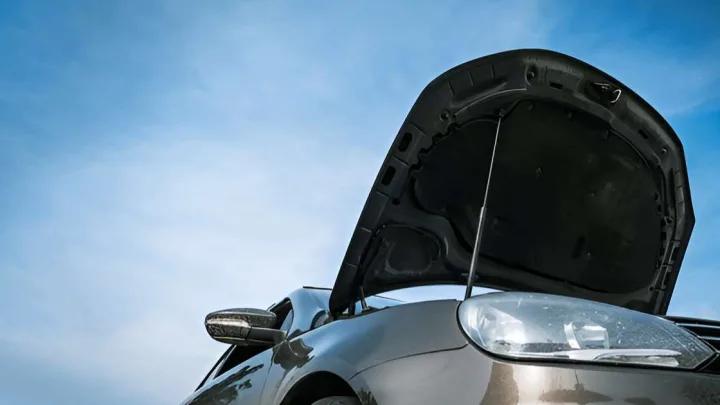
Car Hood Repair Cost Breakdown (Most Common Scenarios)
| Repair Type | Typical Price Range (USA) | Best For |
|---|---|---|
| Paintless Dent Repair (PDR) | $75–$300 | Small dents, no paint damage |
| Standard Dent Repair | $200–$600 | Dents needing filler/shaping |
| Hood Repaint (single panel) | $350–$1,500 | Faded paint, scratches, peeling clear coat |
| Dent Repair + Repaint | $400–$1,200 | Dent + chipped paint or cracking |
| Hood Latch/Hinge Adjustment | $100–$400 | Hood not closing evenly/safely |
| Hood Replacement (installed + painted) | $900–$2,500+ | Heavy damage, buckling, severe corrosion |
Why ranges vary: local labor rates, vehicle type, paint system, and whether the shop blends paint into nearby panels for a seamless match.
What Changes the Price the Most
1) Extent and Type of Damage
-
Small dents: often affordable with PDR.
-
Large dents + creases: usually needs bodywork + paint.
-
Bent corners or buckling: often pushes costs toward replacement.
-
Rust: can be cheap early, expensive when deep.
2) Paint Work (The “Silent Budget Boss” 🎨)
Paint is where quotes spread out. A hood may require:
-
sanding/prep
-
primer/base/clear
-
bake time
-
color match
-
sometimes blending into fenders for better match
3) Hood Material
-
Steel: easiest and typically cheapest to repair/replace.
-
Aluminum: lighter but can cost more to repair (different techniques).
-
Carbon fiber: expensive and often replaced rather than repaired cosmetically.
4) Make and Model
-
Economy cars: parts often cheaper and more available.
-
Trucks/SUVs: larger panels can cost more to paint.
-
Luxury/performance: higher part prices, stricter paint match standards.
Repair vs Replace (Decision Guide)
Repair is usually best when:
-
dent is small/medium
-
paint is not cracked or peeling badly
-
hood still aligns and latches safely
-
no severe rust underneath
Replace is usually best when:
-
hood is folded/creased sharply
-
edges are bent and won’t align
-
latch area is compromised (safety concern)
-
rust is spreading through seams
-
the cost to repair + repaint gets close to replacement total
Simple math check:
If your repair quote is 70%–90% of a replacement quote, replacement often gives better long-term value.
Hood Replacement Cost: OEM vs Aftermarket vs Salvage
OEM (Original equipment)
-
Best fit and factory-like finish potential
-
Usually the most expensive option
Aftermarket
-
Often lower cost and widely available
-
Quality varies: fitment can be excellent or annoying (panel gaps)
Salvage/Junkyard
-
Can be the cheapest hood option
-
Best if you find the same color and condition, but may still need repaint
Pro tip for buyers: Ask if the shop will test-fit the hood before paint. If fitment is off after paint, you’ve paid for “beautifully painted problems.”
Insurance: Should You File a Claim?
When insurance often makes sense
-
Damage from a collision or covered event
-
Repair is clearly above your deductible by a meaningful amount
-
You prefer documented repairs for resale/value
When paying out-of-pocket can be smarter
-
Minor dent under a few hundred dollars
-
Your deductible is high (e.g., $1,000) and repairs are close to it
-
You want to avoid potential premium impact
What to do: Get a written estimate first, then compare to your deductible.
How to Avoid Overpaying (AdSense-Friendly Value Add)
Use this checklist before approving a quote:
-
Get 2–3 estimates (same scope)
-
Ask if the price includes paint materials + clear coat
-
Ask whether they plan to blend paint into adjacent panels
-
Ask about warranty (paint + workmanship)
-
Confirm parts type: OEM / aftermarket / salvage
-
Ask for a timeline: same day vs multi-day
DIY: What You Can Do Safely (and What to Skip)
DIY is okay for:
-
small surface scratches (touch-up kit)
-
light cleaning, waxing, and rust prevention early
DIY is risky for:
-
latch alignment issues
-
big dent pulling
-
repainting large areas (color match, clear coat finish, durability)
Bottom line: DIY can save money on tiny cosmetic issues. For alignment, safety, and paint quality, pros usually win.
Maintenance Tips to Prevent Future Hood Damage
-
Wash and dry regularly to prevent rust and paint deterioration
-
Wax or seal the hood a couple times per year
-
Avoid parking too close in tight lots (door dings + cart hits)
-
Inspect hood latch and hinges if the hood feels “off” when closing
-
Fix small paint chips early so rust doesn’t move in like an unpaid tenant
Frequently Asked Questions (FAQ)
How much does it cost to fix a car hood in the USA?
Most car hood repairs cost about $75 to $2,500+ depending on whether it’s dent-only, needs paint, or requires full replacement. Small dents without paint damage are usually the cheapest; replacement plus paint is usually the most expensive.
What is the cheapest way to fix a dent in a hood?
Paintless dent repair (PDR) is often the cheapest option when the paint isn’t cracked. Typical PDR pricing for small dents is commonly around $75–$300 depending on size, depth, and access behind the panel.
How much does it cost to repaint a car hood?
Repainting a hood commonly ranges from about $350 to $1,500 in the U.S. Price varies by paint system, prep work, color matching difficulty, and whether blending is needed for a seamless look.
How much does it cost to replace a hood (installed and painted)?
A hood replacement with installation and paint commonly totals about $900 to $2,500+ in the U.S. Costs increase for luxury vehicles, aluminum hoods, and higher-end paint work.
Should I repair or replace a damaged hood?
Repair is usually best for small to medium dents where the hood still aligns and latches properly. Replace is often better if the hood is sharply creased, buckled, rusted through, or can’t align safely.
Does insurance cover hood repairs?
Insurance may cover hood repairs if the damage comes from a covered event (like a collision or comprehensive claim). Whether you should file depends on your deductible and the repair estimate.
Is an aftermarket hood worth it?
Aftermarket hoods can save money, but quality and fitment vary. A good shop will test-fit before painting and confirm gaps, latch alignment, and panel lines to avoid problems after installation.
Can I drive with a damaged hood?
If the hood doesn’t latch securely, driving can be unsafe. If the hood is misaligned, vibrating, or the latch is faulty, have it inspected immediately before regular driving.
Disclosure
Some links may be affiliate links. That means we may earn a small commission at no extra cost to you.