
Medicaid can cover medical expenses from car accidents. Eligibility and coverage vary by state and case specifics.
Navigating the aftermath of a car accident can be challenging, especially when it comes to medical expenses. For many, Medicaid serves as a critical safety net, providing necessary medical coverage. Understanding how Medicaid interacts with car accident-related medical bills is essential for anyone who finds themselves in this unfortunate situation.
This knowledge ensures that individuals can make informed decisions about their healthcare following an accident. It's important to note that while Medicaid can offer significant financial relief, the specifics of what is covered and how coverage is applied can differ greatly depending on where you live and the nature of your injuries. Armed with the right information, Medicaid recipients can effectively manage their healthcare needs post-accident.
Medicaid Basics
Eligibility Criteria
Medicaid supports low-income families and individuals. Income and asset limits are key factors. Each state sets its own guidelines. Disability, pregnancy, and family size may affect eligibility.- Income limits: Based on the Federal Poverty Level (FPL).
- Asset limits: Includes savings and property.
- Residency: Must be a resident of the state you apply in.
- Citizenship: Open to U.S. citizens and certain non-citizens.
Covered Services
Hospital stays, doctor visits, and medications are usually covered. After car accidents, Medicaid may also cover rehabilitation and long-term care. Each state's Medicaid program differs.| Service Type | Typically Covered? |
|---|---|
| Emergency Care | Yes |
| Doctor Visits | Yes |
| Physical Therapy | Varies |
| Prescriptions | Yes |
 Car Accidents And Medical Coverage
Car Accidents And Medical Coverage
Typical Costs Involved
After a car accident, you might have many bills. Here are some typical costs:- Doctor visits: You might need to see a doctor.
- Hospital stays: Some accidents need a hospital stay.
- Medicines: You may need medicine to get better.
- Physical therapy: This helps you heal and move again.
Insurance Claims Process
After an accident, you need to file a claim. This means you tell the insurance you need help paying bills. Here's how:- Contact the insurance: Tell them about the accident.
- Fill out forms: They will give you paperwork to fill out.
- Wait for approval: The insurance will look at your case.
- Get help paying bills: Once approved, they help pay.
Medicaid's Role In Auto Accidents
Coverage Scope
- Hospital bills: Medicaid covers inpatient and outpatient care.
- Doctor visits: This includes follow-up appointments.
- Prescription drugs: Necessary medications are covered.
- Rehabilitation services: Physical therapy may be included.
Limitations And Exclusions
Medicaid has specific rules and restrictions. Let's look at these closely.| Type of Limitation | Description |
|---|---|
| Policy Caps | There's a maximum amount Medicaid will pay. |
| Non-Covered Services | Certain treatments may not be included. |
| Pre-Approval | Some services need prior authorization. |

Navigating Claims After An Accident
Filing A Claim With Medicaid
After an accident, medical attention is a priority. Once you receive treatment, filing a claim with Medicaid is next. Medicaid can provide coverage for your medical expenses. Here are steps to take:- Seek medical help immediately after the accident.
- Notify your healthcare provider you have Medicaid.
- Submit all necessary documentation to Medicaid promptly.
- Keep track of all medical records and expenses.
Coordination With Auto Insurance
Coordination between Medicaid and auto insurance can be tricky. Auto insurance may cover some costs initially. Medicaid can cover additional expenses. Remember these points:- Contact your auto insurance provider soon after the accident.
- Understand your policy's coverage limits and deductibles.
- Let Medicaid know about the auto insurance claims you filed.
- Medicaid may seek reimbursement from auto insurance settlements.
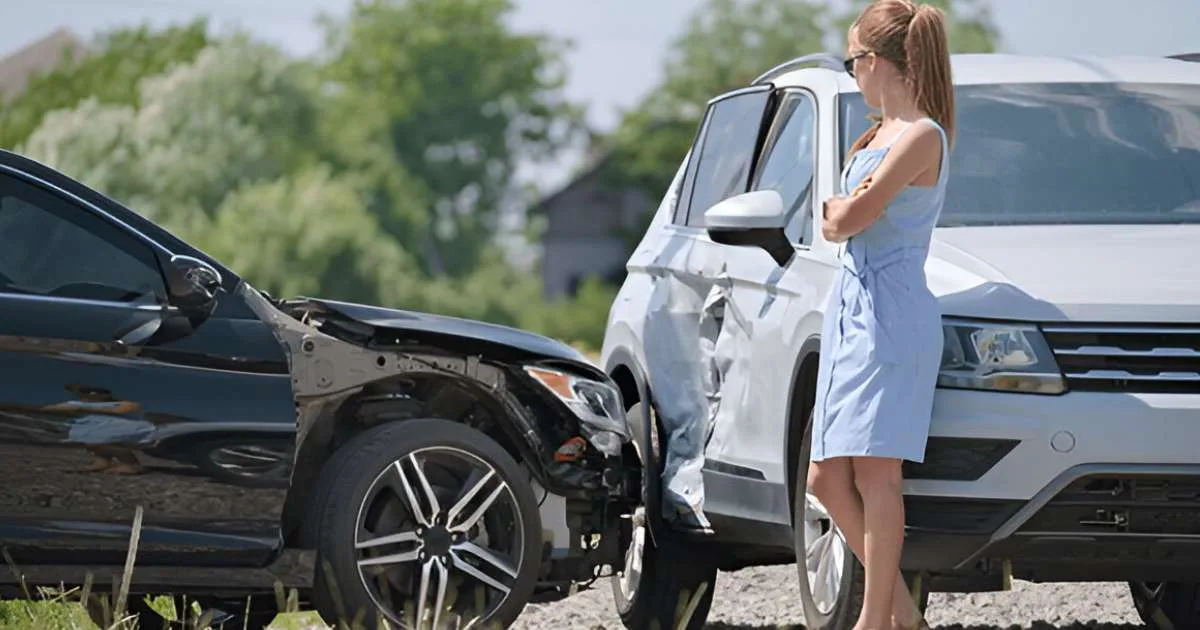 Subrogation: Medicaid’s Recovery Right
Subrogation: Medicaid's Recovery Right
Understanding Subrogation
Let’s break down subrogation. It's like a repayment. Imagine Medicaid as a friend who lent you money. If you get money from someone else later, you need to pay your friend back. Medicaid works the same way. They cover your bills first. But if you get money from an insurance claim, Medicaid wants its share back.Impact On Settlements
Your settlement can change because of subrogation. Here’s how:- Less Money in Your Pocket: Part of your settlement goes back to Medicaid.
- Negotiation is Key: Sometimes, you can talk to Medicaid. You might reduce the amount you have to pay back.
Legal Considerations
Seeking Legal Advice
After a car accident, legal guidance is key. An attorney can navigate the complex interplay between Medicaid and accident claims. They ensure rights and benefits stay intact. A legal expert will:- Evaluate the case details
- Advise on potential compensation
- Protect Medicaid benefits
Lawsuit Impact On Medicaid Benefits
Legal action after an accident can affect Medicaid. Compensation received may alter eligibility. It's essential to:- Inform Medicaid about the lawsuit
- Understand how settlements impact benefits
- Discuss with an attorney the best course of action
| Action | Impact on Medicaid |
|---|---|
| Receive a settlement | May change eligibility status |
| Reject a settlement | No immediate effect on Medicaid |
Protecting Your Medicaid Benefits
After a car accident, Medicaid can be a lifesaver. Yet, many don't know how to keep these benefits safe. Let's explore key steps to protect your Medicaid after a crash.
Asset Management
Medicaid looks at your assets to decide if you qualify. Getting money from a car accident could affect this. You need to manage assets well to stay eligible.
- Keep track of all assets
- Understand Medicaid's asset limits
- Report changes to Medicaid quickly
Some assets don't count for Medicaid. These include your home and one car. Knowing this helps you plan better.
Trust Planning
Trusts can protect your benefits when you get money from a car accident. A Special Needs Trust holds the money so it doesn't count as an asset.
- Find a lawyer skilled in trust planning
- Set up a Special Needs Trust
- Put your accident money in the trust
This trust lets you use the money without losing Medicaid. It pays for things Medicaid doesn't cover. It's a smart way to keep your benefits safe.
 Case Studies And Real-life Scenarios
Case Studies And Real-life Scenarios
Success Stories
Real people often secure crucial support after car accidents. Success is possible with knowledge and persistence.- Jane's speedy recovery: Medicaid covered her surgery. She returned to work in weeks.
- Tom's therapy access: Medicaid paid for his rehab. He regained full mobility.
- Lucy's case: A lawyer helped her. Medicaid liens got reduced. She kept more settlement money.
Challenges Faced
Not all stories have happy endings. Some face barriers. Here are common challenges:| Challenge | Example |
|---|---|
| Delayed treatment | Mike waited months for approval. His condition worsened. |
| Limited coverage | Sara’s medication was not on the list. She paid out-of-pocket. |
| Settlement complications | John's settlement was delayed. Legal issues with Medicaid arose. |
Conclusion
Navigating Medicaid after a car accident doesn't have to be daunting. Armed with the right knowledge, you can tackle the process with confidence. Remember, timely action and accurate documentation are your allies. For further guidance, consulting a professional may be wise.
Stay informed and take the necessary steps to ensure your coverage is in place when you need it most.
Frequently Asked Questions (FAQ)
Does Medicaid cover car accident injuries?
Yes, Medicaid can cover medical expenses from car accident injuries, including emergency care, hospital stays, doctor visits, prescriptions, and some rehabilitation services, depending on your state and case details.
What medical costs can Medicaid cover after a car accident?
Medicaid may cover emergency treatment, hospital bills, doctor visits, prescription medications, physical therapy, rehabilitation, and long-term care when medically necessary.
Does Medicaid pay before auto insurance after a car accident?
Usually, Medicaid is the payer of last resort. This means auto insurance or another responsible insurance policy may need to pay first before Medicaid covers remaining eligible costs.
Can Medicaid recover money from a car accident settlement?
Yes, Medicaid may have the right to recover medical costs it paid from your car accident settlement through a process called subrogation.
What is Medicaid subrogation after a car accident?
Subrogation means Medicaid can request reimbursement from a settlement or insurance payment if it paid for medical treatment related to the accident.
Do I need to tell Medicaid about a car accident?
Yes, you should notify Medicaid about the accident, especially if another driver, auto insurance company, or settlement may be involved.
Can a car accident settlement affect Medicaid eligibility?
Yes, a settlement may affect Medicaid eligibility if it increases your countable assets or income. Proper planning may be needed to protect your benefits.
Can Medicaid cover physical therapy after a car accident?
Medicaid may cover physical therapy after a car accident, but coverage varies by state and may require prior authorization.
What should I do after a car accident if I am on Medicaid?
Seek medical care immediately, tell your healthcare provider you have Medicaid, contact your auto insurance company, keep all medical records, and notify Medicaid about the accident.
Should I talk to a lawyer if Medicaid paid my car accident bills?
It may be helpful to speak with a lawyer because Medicaid liens, settlements, subrogation, and benefit eligibility can be complicated after a car accident.
Disclosure
Some links may be affiliate links. That means we may earn a small commission at no extra cost to you.