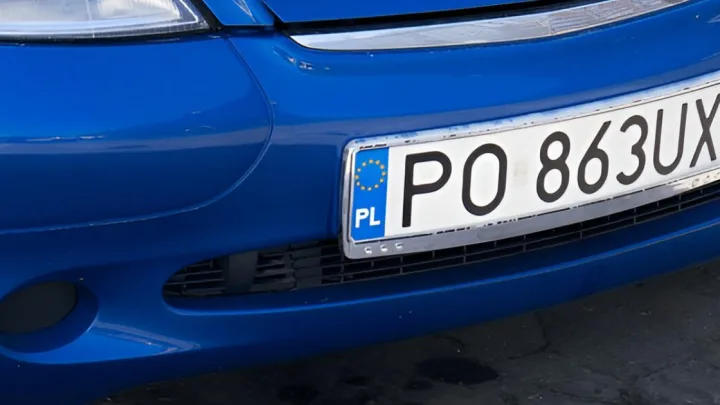
License plate lights (also called license plate lamps or tag lights) do one job that matters: they make your plate readable at night and in bad weather. That’s important for safety and for staying compliant in everyday driving. But not all plate lights are built the same. Some look bright in photos yet barely light the plate evenly. Others fail early because moisture sneaks into the housing, or they trigger dashboard warnings on newer cars.
This 2026-ready guide focuses on what real buyers repeatedly care about across marketplaces and automotive communities: brightness that’s usable, weatherproof durability, proper fitment, error-free compatibility, and easy installation. Use the checklists below to buy once and stop thinking about it again.
Brightness and Beam Quality (Not Just “Super Bright”)
Lumens: What matters in real-world use
Lumens measure light output, but plate lighting is about coverage, not just raw brightness.
A good plate light:
-
lights the entire plate from edge to edge
-
avoids hot spots (blinding bright center) and dark corners
-
stays readable from a distance without glare
Practical guidance (typical ranges):
-
Basic LED replacements: good for most drivers
-
Higher-output LEDs: useful for trucks/SUVs with larger rear areas or tinted covers
-
Avoid “too bright” kits that create glare and reflections on plate covers
Color temperature (Kelvin): choose clean white
Most drivers prefer neutral-to-cool white because it looks modern and keeps characters sharp.
-
Warm white (<3000K): can look yellow and reduce crispness
-
Neutral white (3000K–5000K): balanced and clear
-
Cool white (5000K–6500K): crisp and popular for LED look
Tip: Avoid lights that look blue/purple. Besides looking cheap, they may draw attention and can reduce clarity on reflective plates.
Waterproofing and Weather Resistance (IP Ratings That Actually Matter)
Your plate lights live in the splash zone: rain, snow, road salt, car washes, humidity, and dust.
Look for an IP rating
IP ratings describe protection against dust and water:
-
IP65: good splash resistance
-
IP67: dust-tight + can handle temporary water immersion
-
IP68: stronger immersion protection (varies by brand)
Best pick for daily driving: IP67 or higher, plus a sealed housing and gasket.
Why seals matter more than marketing
Even a bright LED fails fast if moisture gets inside. Choose lights with:
-
a proper gasket or rubber seal
-
tight-fitting lens/housing
-
corrosion-resistant screws or clips
If you live in states with heavy winter salt, corrosion resistance matters a lot. Cheap metal fasteners can rust, seize, and turn a “5-minute install” into a headache later.
Durability and Materials (Built to Survive Heat + Vibration)
Plate lights deal with vibration and temperature swings. Look for:
-
ABS or high-grade plastic housings (impact resistant)
-
polycarbonate lens (clear, tough, resists cracking and UV fade)
-
stainless or treated hardware (reduces rust)
A durable light isn’t just “strong.” It stays clear, keeps water out, and doesn’t flicker after a few months.
Compatibility and Fitment (The #1 Cause of Returns)
Fitment mistakes are the most common reason people return plate lights.
Two common setups
-
Bulb replacement (you replace a bulb like 194/T10 style)
-
Full housing replacement (entire lamp assembly replaces OEM unit)
How to confirm fit in 60 seconds
-
Check your owner’s manual for bulb type or assembly details
-
Match voltage and connector style
-
If buying full housings, confirm mounting point shape and plug location
OEM-fit vs universal
-
OEM-fit: easiest and cleanest, made for your vehicle
-
Universal: can work well, but may need small adjustments
If your priority is “install once and forget it,” OEM-fit usually wins.
CANbus and Error-Free LEDs (Modern Car Problem Solver)
Many newer vehicles monitor exterior lights and can show warnings if the LED draws less power than the factory bulb.
Choose:
-
CANbus error-free LEDs, or
-
a kit designed specifically for your vehicle
This reduces:
-
dashboard bulb-out warnings
-
flicker
-
inconsistent brightness
If a listing mentions “error-free,” “no hyperflash,” or “CANbus ready,” it’s usually designed to behave more like the original bulb.
Ease of Installation (DIY Friendly Without Surprise Tools)
Most license plate lights are a quick DIY job, but ease depends on design.
What makes installation easy
-
plug-and-play connectors
-
correct fit without drilling or trimming
-
included gasket and screws (when needed)
-
clear polarity guidance (some LED bulbs need correct orientation)
Tools you might need
-
screwdriver (common)
-
trim tool (nice to have)
-
gloves (optional, helps avoid smudges)
Pro tip: After installing, test lights before fully snapping panels back in.
Energy Efficiency and Battery Impact (Why LED Is the Default Choice)
LED plate lights are popular because they:
-
use less power than halogen
-
run cooler
-
last longer in typical use
Battery impact is usually minimal with LEDs, and they reduce load on the electrical system. The bigger benefit is fewer replacements over time.
Aesthetic Appeal (Clean Look Without Going “Try-Hard”)
If you care about looks, prioritize:
-
even white output (not patchy)
-
stable brightness (no flicker)
-
clean housing fit (no gaps)
Customization options exist, but for US road use and AdSense-safe guidance: clean white and readable is the safest, most universally liked look.
Cost: How to Buy Smart (Budget vs Value)
Budget-friendly options
Good for older cars or quick replacements:
-
basic LED bulbs
-
standard universal housings with decent seals
Best value options
Worth it for reliability:
-
IP67+ waterproof rating
-
CANbus compatibility (if needed)
-
warranty and responsive support
The “best deal” is usually the one you don’t replace twice.
Common Mistakes to Avoid (Real-World Problems)
-
Buying “ice blue” lights that reduce readability and look suspicious
-
Ignoring bulb type or housing shape (fitment mismatch)
-
Choosing non-sealed housings (fogging, corrosion, failure)
-
Skipping CANbus compatibility on newer vehicles (warnings/flicker)
-
Overpaying for “super bright” when you actually need even coverage
Final Buying Checklist (Save This)
Choose license plate lights that are:
-
LED, clean white (about 5000K–6500K)
-
evenly bright across the full plate
-
IP67+ waterproof with a sealed gasket/housing
-
correct fit for your bulb type or OEM housing
-
CANbus error-free if your vehicle is newer
-
corrosion-resistant hardware
-
backed by a real warranty (12+ months)
Frequently Asked Questions (FAQ)
What are license plate lights also called?
They’re often called license plate lamps, tag lights, or number plate lights. All refer to the light that illuminates the rear plate for nighttime visibility.
Are LED license plate lights legal in the USA?
In most cases, yes, as long as the plate is clearly visible and the light color is appropriate. Avoid overly blue or colored lights and choose clean white illumination for best compliance.
How bright should a license plate light be?
Bright enough to make the entire plate readable at night without glare or hotspots. Even coverage matters more than extreme brightness.
What does IP67 mean for a license plate light?
IP67 means the light is dust-tight and protected against temporary water immersion. For daily driving, IP67 or higher is a strong choice for rain, snow, and car washes.
Why do some LED plate lights cause dashboard warnings?
Some vehicles monitor bulb power draw. LEDs often draw less power, which can trigger warnings or flicker. Choosing CANbus error-free LEDs helps prevent this.
How do I know which bulb size my license plate light uses?
Check your owner’s manual or the bulb currently installed. Listings often mention common sizes, but the manual is the most reliable match.
Is it better to replace just the bulb or the whole housing?
Bulb replacement is cheaper and fast if your housing is good. Replace the whole housing if the lens is cracked, the seal is failing, or moisture keeps getting inside.
What features matter most for winter or salted roads?
Prioritize sealed waterproof housings, corrosion-resistant screws, and durable lens materials. Road salt accelerates rust and can shorten the life of cheap hardware.
How long do LED license plate lights usually last?
Quality LEDs can last years, but lifespan depends on waterproofing, heat control, and build quality. A warranty is a good sign the brand expects long-term performance.
What’s the easiest way to avoid returns when buying plate lights online?
Confirm fitment first: bulb type or exact vehicle housing match, connector style, and whether your car needs CANbus support. Fitment checks prevent most returns.
Disclosure
Some links may be affiliate links. That means we may earn a small commission at no extra cost to you.