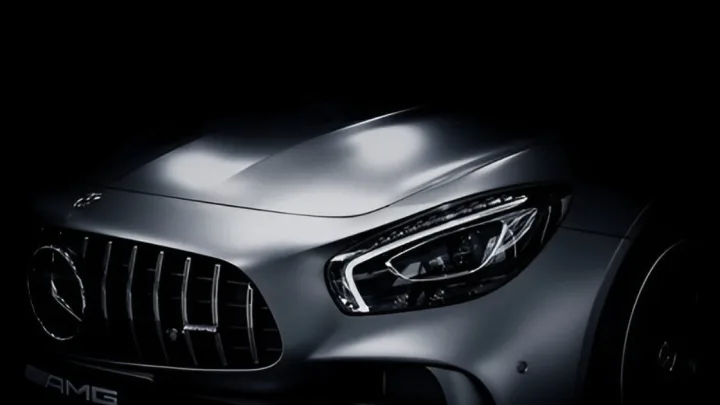
Driving at night, in rain, or through fog is a visibility game. Car headlights are your main tool, but “brighter” does not always mean “better.” The best headlights deliver clean beam focus, safe brightness, and minimal glare, while staying road-legal and reliable.
This guide helps you choose the right headlight technology, understand lumens and Kelvin, avoid common upgrade mistakes, and keep your lights performing well for everyday USA driving.
Why Headlights Matter More Than You Think
Good headlights help you:
-
Spot hazards sooner (debris, animals, stalled vehicles)
-
Read signs earlier at speed
-
Drive more comfortably in bad weather
-
Reduce fatigue by improving contrast and clarity
-
Help other drivers see you without being blinded
Key truth: A perfect beam pattern + correct aiming often beats “high lumen” marketing.
The Evolution of Car Headlights (Quick Timeline)
Headlights improved as cars got faster and roads got busier:
-
Early era: acetylene/carbide lamps (dim, inconsistent)
-
Halogen: affordable standard for decades
-
HID (Xenon): bright, long-reaching, popular in many OEM setups
-
LED: efficient, long life, modern design flexibility
-
Laser/OLED (limited): premium systems, not common across most cars
Types of Car Headlights (Pros, Cons, Best Use)
1) Halogen Headlights (Standard & Budget-Friendly)
Best for: low-cost replacement, simple compatibility
Pros: cheap, easy to replace, widely available
Cons: shorter life, warmer/yellower output, less efficient
2) HID Xenon Headlights (Intense Output)
Best for: OEM projector setups designed for HID
Pros: strong distance lighting, bright white output, long lifespan
Cons: can glare if not designed/aimed correctly, more complex parts (ballasts)
3) LED Headlights (Efficiency + Longevity)
Best for: modern upgrades when beam pattern is correct
Pros: long life, low power draw, fast response, compact
Cons: cheap kits often cause glare, flicker, or poor road lighting in reflector housings
4) Laser Headlights (Premium, Limited Use)
Best for: high-end OEM systems
Pros: strong long-range potential, efficient in premium designs
Cons: expensive, uncommon, not a typical DIY upgrade path
Headlight Comparison (Real-World Buying Clarity)
| Type | Brightness Potential | Efficiency | Lifespan | Cost | Upgrade Risk |
|---|---|---|---|---|---|
| Halogen | Moderate | Low | Short–Medium | $ | Low |
| HID (Xenon) | High | Medium | Medium–Long | $$–$$$ | Medium (glare if wrong housing/aim) |
| LED | High | High | Long | $$–$$$$ | Medium–High (cheap kits = bad beam) |
| Laser (OEM) | Very High | High | Long | $$$$ | Low DIY (not typical aftermarket) |
How to Choose the Right Headlights (2026 Buying Factors)
1) Beam Pattern First (Not Marketing Lumens)
A safe headlight produces a clean cutoff line (especially in projector housings). If your beam scatters everywhere, it can look bright but fail to light the road.
Tip: If the beam pattern looks messy on a wall, it will be worse on the road.
2) Lumens: What They Mean (and What They Don’t)
Lumens describe total light output, but:
-
More lumens without focus = more glare
-
The best visibility comes from light placed on the road where you need it
If a listing promises extreme numbers for a bargain price, treat it like a “miracle engine additive” claim.
3) Color Temperature (Kelvin) for Visibility
-
4000K–5000K: balanced, strong contrast (great for real driving)
-
5000K–6000K: crisp white, popular, good clarity
-
6500K+ (very blue): can reduce contrast in rain/fog and may increase perceived glare
4) Projector vs Reflector Housings (This Changes Everything)
-
Projector headlights: better cutoff control, often safer for brighter tech
-
Reflector headlights: more likely to scatter light with improper LED kits
Rule of thumb: If you have reflector housings, be extra cautious with LED conversions.
5) Road Legality and Compliance (USA mindset)
Headlight legality varies by product and state-level enforcement, but you can reduce risk by:
-
Choosing reputable brands
-
Avoiding glare and scattered beams
-
Ensuring proper fitment and aiming
-
Looking for road-use markings where applicable (commonly referenced as DOT/SAE)
Practical reality: If your lights blind others, you’re inviting trouble: safety issues, complaints, and potential citations.
Installation: DIY or Professional?
DIY Installation Tips (Safer, Cleaner Results)
-
Confirm the exact bulb size from your owner’s manual or fitment tool
-
Turn the car off, let the housing cool
-
Avoid touching glass bulbs with bare fingers (oils can shorten life)
-
Ensure dust caps and seals are reinstalled correctly (prevents moisture)
-
Test low beams, high beams, turn signals (if applicable)
Common Upgrade Problems (and fixes)
-
Flicker or bulb-out warning: may need CANbus support or resistors (use quality solutions, avoid sketchy wiring)
-
Dark spots or poor distance: wrong bulb placement or incorrect beam pattern
-
Condensation in housing: seal issue or cracked lens/venting problem
When Professional Installation Makes Sense
-
You’re upgrading HID systems with ballasts
-
The housing is difficult to access (bumper removal)
-
You need precise aiming or you’re seeing glare complaints
Headlight Aiming (The “Secret Ranking Factor” for Real Drivers)
Even premium headlights perform poorly when aimed wrong.
Quick aiming basics:
-
Park on level ground facing a wall about 25 feet away (common reference distance)
-
Ensure tires are properly inflated and vehicle is at normal load
-
The cutoff line should be level and not shining into mirrors/windows
If you upgrade to brighter bulbs, aiming becomes non-negotiable.
Maintenance: Keep Headlights Bright for Years
1) Clean and Protect the Lens
Cloudy lenses can cut light output dramatically.
-
Wash regularly
-
Use a headlight restoration kit if yellowed
-
Apply UV protectant afterward to slow re-fogging
2) Watch for Early Warning Signs
Replace/repair if you see:
-
one side dimmer than the other
-
flickering
-
moisture inside
-
melted connectors or burning smell (stop and inspect wiring)
3) Replace in Pairs (Often Worth It)
If one halogen bulb fails, the other may be near the end too. Replacing both can restore balanced lighting.
Safety: Reduce Glare and Help Everyone on the Road
To keep roads safer:
-
Don’t chase “blue” color just for style
-
Avoid cheap LED kits that scatter light
-
Aim headlights properly
-
Use high beams responsibly (and keep lenses clean)
Good headlights should make you safer without making everyone else miserable.
Energy Use and Environmental Impact
Headlights draw power and indirectly impact fuel/energy usage.
-
LEDs typically use less power and last longer, meaning fewer replacements
-
Efficient headlights can slightly reduce load and waste over time (especially vs older halogens)
This won’t turn your car into a hybrid, but it’s a meaningful upgrade in durability and efficiency.
Future Trends (What’s Next Beyond 2026)
Expect more:
-
Adaptive driving beam systems (more precise light control)
-
Smarter matrix-style LED tech
-
Better integration with driver-assistance systems
-
Improved anti-glare designs to reduce oncoming-driver discomfort
Frequently Asked Questions (FAQ)
What are the best headlights for most drivers in the USA?
For most drivers, quality LED headlights with a proper beam pattern and correct aiming give the best mix of visibility, efficiency, and long lifespan.
LED vs HID vs halogen: which is best for night driving?
LED is the best all-around choice for most people. HID can be excellent in factory projector systems. Halogen is affordable and simple but usually provides the least usable light.
What Kelvin (color temperature) is best for headlights?
Most drivers get the best visibility around 4000K–6000K. Extremely blue light can reduce contrast in rain and fog and may create more glare.
Do higher lumens always mean better headlights?
No. Real-world performance depends on beam pattern and aiming. A focused cutoff and correct alignment often outperform a higher-lumen bulb with scattered light.
Are LED conversion kits legal in the USA?
Legality depends on the product and how it performs on the road. Choose reputable parts, avoid glare and scattered beams, and ensure correct fitment and aiming to stay road-safe and reduce enforcement risk.
Why do LED headlights flicker after installation?
Flicker is commonly caused by vehicle bulb monitoring systems, low-quality LED drivers, or compatibility issues. CANbus-compatible solutions and higher-quality components usually reduce flicker.
How do I know if my headlights are projector or reflector?
Projector headlights typically have a visible round lens inside the housing. Reflector headlights look like an open mirrored bowl. This matters because projectors usually control beam cutoff better.
Why do my headlights look bright but don’t light the road well?
Common causes include poor beam pattern from low-quality bulbs, misalignment, cloudy lenses, wrong bulb type, or voltage drop from wiring issues.
What causes headlight glare for oncoming drivers?
Glare usually comes from headlights aimed too high, incorrect bulbs in the wrong housing type, or cheap LED kits that scatter light instead of creating a clean cutoff.
How often should headlight bulbs be replaced?
Replace bulbs when you notice dimming, flickering, color changes, or a burnout. Halogens often need replacement sooner, while quality LEDs and HIDs usually last much longer.
Should I replace headlight bulbs in pairs?
Often yes, especially with halogen bulbs, because the other side is usually close to the end of its life and replacing both keeps brightness and color balanced.
Is headlight lens restoration worth it?
Yes. Cloudy or yellowed lenses can reduce usable light significantly. Restoration can improve brightness and visibility, especially when followed by UV protection.
What’s the quickest way to improve headlight performance without upgrading bulbs?
Clean and restore cloudy lenses, check headlight aim, and ensure the housing is dry and properly sealed. These steps often deliver a noticeable improvement.
What are the best headlights for rain, fog, or snow?
A well-aimed low beam with a clean beam pattern works best. Color temperatures around 4000K–5000K often provide better contrast in bad weather than very blue light.
Disclosure
Some links may be affiliate links. That means we may earn a small commission at no extra cost to you.