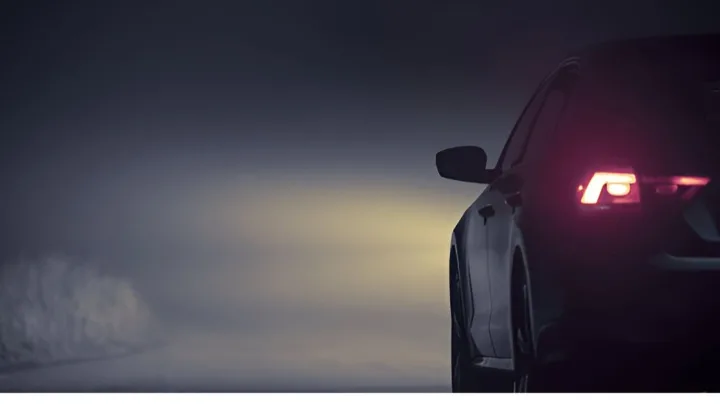
Fog lights aren’t “extra headlights.” They’re designed to throw a wide, low beam that lights the road surface and lane edges in fog, heavy rain, snow, and dust without creating blinding glare. The right fog lights can make night driving calmer and safer. The wrong ones can be bright but useless, and sometimes illegal.
This guide focuses on what drivers in the USA actually need: performance, fitment, legality, and value.
What Fog Lights Actually Do (and why they work)
Fog scatters light. Regular headlights often bounce off the fog and reflect back, creating a “white wall.” Fog lights sit lower on the vehicle and are designed to illuminate under and across the fog layer, focusing light on:
-
the road surface
-
lane markings
-
curb edges
-
near-distance hazards
Translation: better control, less surprise, safer braking.
Types of Fog Lights in 2026 (with real-world pros/cons)
1) Halogen Fog Lights
Best for: budget replacements, factory-style performance
Pros
-
Affordable and easy to replace
-
Warm output can work well in fog
-
Usually predictable beam in OEM housings
Cons -
Shorter lifespan
-
Higher power draw
-
Less “crisp” visibility vs modern LED systems
2) LED Fog Lights
Best for: long life, low power draw, modern performance
Pros
-
Long lifespan (often thousands of hours)
-
Efficient and bright with good optics
-
Fast on/off, stable output
Cons -
Quality varies wildly (cheap LEDs can glare)
-
Some swaps don’t match OEM beam pattern
-
Can require extra parts for fitment or error codes
3) HID (Xenon) Fog Lights
Best for: niche setups that need strong output and proper optics
Pros
-
Very bright
-
Efficient compared to halogen
-
Good visibility if correctly aimed and housed
Cons -
Can glare badly if not set up right
-
Often needs ballast/wiring changes
-
Not always the best choice for “near-field fog” compared to well-designed LEDs
2026 Practical Verdict:
For most drivers, LED fog lights with proper optics/beam pattern are the best mix of visibility, reliability, and value.
The 2026 Fog Light Buying Checklist (What matters most)
1) Beam Pattern: Wide + Low is the goal
A true fog light should:
-
spread light wide across the road
-
stay low (not blasting into the fog layer)
-
have a controlled cutoff to reduce glare
Avoid: lights marketed as “super bright” that look like mini high-beams.
2) Color Temperature (Kelvin): Don’t get tricked by “cooler is better”
-
2500K–3000K (Yellow/Amber): excellent in fog/snow/rain for reducing glare and eye fatigue
-
3500K–4500K (Neutral White): balanced clarity, good for mixed driving
-
5000K–6500K (Cool White/Blue-ish): can look sharp, but may increase glare in fog and wet roads
Simple rule: If you drive in real fog or heavy rain often, go amber/yellow.
3) Brightness: Optics beat raw lumens
Higher lumens can help, but only if the beam is controlled. Otherwise, brightness becomes glare.
Tip: Prioritize “fog beam pattern,” “SAE fog,” and real-world reviews showing beam shape on a wall.
4) Fitment: Make sure it physically and electrically fits
Before buying:
-
check your OEM fog bulb size (common types vary by vehicle)
-
confirm housing depth and connector type
-
verify if you need a wiring harness, relay, or CAN-bus decoder
If the product page doesn’t clearly list fitment, skip it.
5) Legality + road safety (USA-friendly)
Rules vary by state, but common best practices:
-
Use white or selective yellow for fog lights
-
Aim them properly to reduce glare
-
Don’t run them constantly in clear weather if they blind others
A safe purchase is one marketed as road-legal / compliant and designed for fog use (not off-road-only).
6) Weather resistance and build quality
Look for:
-
sealed housings
-
water/dust resistance (many brands use IP ratings)
-
corrosion-resistant brackets and connectors
If you drive in snow belt states or coastal areas, this matters a lot.
LED vs Halogen vs HID (Fast Comparison Table)
| Feature | Halogen | LED | HID |
|---|---|---|---|
| Upfront cost | Low | Medium–High | Medium–High |
| Lifespan | Low–Medium | High | Medium–High |
| Power draw | Higher | Lower | Medium |
| Fog performance | Good in OEM | Great if optics are right | Good if optics are right |
| Glare risk | Low in OEM | Medium (depends on quality) | Higher if mis-aimed |
| Best for | Budget/OEM | Most drivers | Specialized setups |
How to Choose Based on Your Driving (USA scenarios)
If you drive in frequent fog, rain, or snow
-
Choose amber/yellow fog lights
-
Prioritize low, wide beam pattern
-
Avoid ultra-cool blue-white lighting
If you mostly drive city + occasional storms
-
Choose neutral white LED with controlled beam
-
Focus on reliable fitment and easy replacement
If you drive rural highways at night
Fog lights help near-field visibility, but for distance you may need separate driving lights.
-
Choose fog lights with a controlled pattern
-
Consider pairing with properly aimed headlights (not brighter fogs)
Installation: DIY vs Professional (Quick and safe guidance)
DIY installation is reasonable if:
-
you’re swapping a bulb or plug-and-play unit
-
you can access the fog housing easily
-
you can aim the lights properly afterward
DIY must-do: disconnect battery if wiring changes are involved.
Professional installation is smarter if:
-
wiring harness/relay is needed
-
bumper removal is required
-
you’re adding new housings/brackets
-
you want perfect aiming and no electrical surprises
Aiming matters more than people think. Bad aim ruins even expensive fog lights.
Cost Considerations (Realistic expectations)
Budget range: basic halogen replacements
Mid range: quality LED bulbs or modest LED assemblies
Higher range: premium fog assemblies with strong optics + better sealing
Long-term value tip: A durable, properly aimed set that lasts longer is usually cheaper than replacing cheap units repeatedly.
Top Brands People Commonly Choose (Why they’re picked)
These brands are often picked because drivers repeatedly report:
-
consistent output
-
better reliability
-
easier fitment
-
dependable warranties
Popular picks: Philips, Sylvania, PIAA
(Always buy from reputable sellers to avoid counterfeits.)
Maintenance Tips (keep visibility strong)
1) Clean the lenses regularly
Road film reduces performance fast.
-
mild soap + water
-
microfiber cloth
-
avoid harsh abrasives
2) Replace when you notice:
-
dimming
-
flickering
-
moisture inside housings
-
yellowed lenses or cracked covers
3) Re-check aim
After suspension changes, minor bumps, or replacements, your aim can drift.
Common Mistakes That Ruin Fog Light Performance
-
Buying the brightest option without considering beam pattern
-
Using very cool/blue color temps in fog and rain
-
Installing LEDs that scatter light in reflector housings
-
Never aiming the lights (glare + poor visibility)
-
Running fog lights in clear weather and blinding other drivers
Conclusion
Choosing the right fog lights in 2026 is less about hype and more about beam control, color temperature, fitment, and aiming. For most drivers in the USA, quality LED fog lights with a true fog pattern and proper alignment offer the best mix of safety, durability, and value. If you drive in real fog or heavy storms often, amber/yellow fog lighting can reduce glare and eye strain, making night driving noticeably safer.
Frequently Asked Questions (FAQ)
What are fog lights used for?
Fog lights are designed to light the road close to your vehicle in fog, heavy rain, snow, and dust using a wide, low beam that reduces glare and improves near-field visibility.
Are yellow fog lights better than white?
Yellow or amber fog lights often work better in fog, rain, and snow because they can reduce perceived glare and improve comfort. Neutral white can be a good all-around choice in mixed driving.
What color temperature is best for fog lights?
For frequent fog and storms, around 2500K–3000K (yellow/amber) is a popular choice. For general all-around use, many drivers prefer neutral white around 3500K–4500K.
Are LED fog lights better than halogen?
LED fog lights can be better if they have the correct fog beam pattern and are aimed properly. They typically last longer and use less power than halogen.
Can I put LED bulbs in my factory halogen fog light housing?
Sometimes, but results vary. Some LED bulbs scatter light and create glare in reflector housings. For best performance, use fog-rated LEDs that match the housing optics or a complete LED fog assembly.
How many lumens should fog lights have?
There is no single best lumen number because beam pattern and optics matter more. A controlled, wide, low beam is more effective in fog than a very bright light that causes glare.
Are HID fog lights a good idea?
HID fog lights can be very bright, but they must be set up with proper optics and aiming to avoid glare. Many drivers prefer well-designed LED fog systems for easier ownership and reliable performance.
When should I turn on fog lights?
Use fog lights in fog, heavy rain, snow, or dust when visibility is reduced. Avoid using them in clear weather if they add glare for other drivers.
Do fog lights need to be aimed?
Yes. Proper aiming is crucial. Poorly aimed fog lights can create glare, reduce your own visibility, and bother other drivers.
How do I know if fog lights will fit my car?
Check your owner’s manual or fitment guide for bulb type and housing compatibility. Confirm connector type, depth, and whether additional wiring parts are needed before buying.
What should I look for when buying fog lights online?
Look for verified fitment, a true fog beam pattern, clear specs, real customer photos of beam output, weather resistance, warranty details, and reputable sellers to avoid counterfeits.
How can I make my fog lights last longer?
Keep lenses clean, avoid cheap unsealed housings, protect connectors from corrosion, and replace failing bulbs early. Re-check aiming after repairs or suspension changes.
Disclosure
Some links may be affiliate links. That means we may earn a small commission at no extra cost to you.