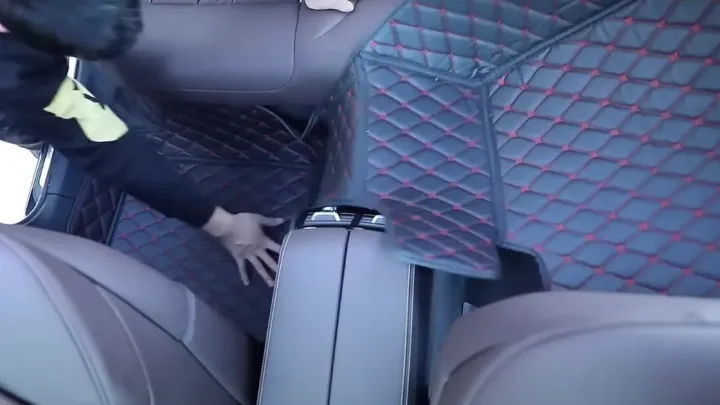
Clean Car Floors and Door Jambs: Why They Matter for Resale Value
If you want a higher resale or trade-in offer, interior cleanliness is one of the easiest wins. Buyers can forgive small exterior chips, but stains, smells, and neglected door jambs suggest bigger problems: poor maintenance, moisture exposure, or long-term wear.
Car floors show real usage, and door jambs (the painted area around the door frame) reveal how the vehicle was cared for. Clean both and your car instantly feels newer, better maintained, and more trustworthy.
Why Interior Cleanliness Changes What Buyers Pay
When a buyer opens the door, they’re mentally scoring the vehicle in seconds. A clean interior signals:
-
the owner maintained the car consistently
-
the vehicle likely avoided long-term moisture and odor issues
-
the car is ready to drive without immediate “detail shop” costs
For trade-ins, dealerships often factor cleanup time into their offer. For private sales, a clean interior reduces negotiation leverage for buyers.
“Floors + Door Jambs” Are Value Hotspots (Here’s Why)
1) Floors show wear faster than most parts
Carpet fibers trap sand and grit. Over time, that grit acts like sandpaper, thinning carpet and leaving permanent “traffic patterns” under pedals and seat areas.
2) Door jambs reveal neglect quickly
Door jambs collect dust, road film, salt residue (in many US states), and moisture. If grime sits too long, it can stain, create odor, and in worst cases contribute to corrosion in seams.
3) Smell is a deal-breaker
Even a clean-looking car can lose buyer confidence if it smells like smoke, mildew, food, or pets. Floors and the lower door areas often hold odor sources.
What Used-Car Buyers Check First (Real-World List)
These are common “walk-away” signals discussed across buyer communities and owner forums:
-
musty or mold-like odor
-
heavy pet hair embedded in carpet
-
sticky residue near door panels and handles
-
salt stains or dark foot marks in carpet
-
damp carpet (possible leak)
-
dirty door jambs that look never cleaned
-
stained or curled floor mats
If you clean these areas, your vehicle feels “owned carefully,” which supports a stronger asking price.
Car Floor Care Essentials (Do This First)
Vacuum the right way (most people miss this)
-
Slide seats fully forward and back
-
Vacuum under seats, seat rails, and edges
-
Use a crevice tool along trim and center console edges
-
Pull mats out and vacuum both sides
Spot-clean stains before “shampoo everything”
For single stains, targeted cleaning is safer than soaking the entire carpet. Over-wetting can create mildew smell if not dried correctly.
Protect carpet to slow future wear
-
Use all-weather mats in winter or rainy seasons
-
Shake out mats weekly
-
Clean spills immediately to avoid permanent staining
Door Jambs and Sills: The “Maintenance Truth Zone”
Door jambs (sometimes called door frames or door sills) often show whether the car was maintained. Cleaning them also protects seals and prevents grime from transferring to clothes.
How to clean door jambs safely
-
Wipe loose dust with a microfiber cloth
-
Use a gentle all-purpose cleaner (interior-safe)
-
Brush tight seams lightly with a soft detail brush
-
Wipe dry and finish with a clean cloth
-
Optional: apply a rubber-safe conditioner to weather seals
Preventing corrosion (especially in snowy/salty regions)
-
Don’t leave salty grime on seams
-
Dry jambs after cleaning
-
Keep weather seals clean so moisture doesn’t sit trapped
DIY Cleaning Checklist (Fast, High-Impact)
The “15-Minute Buyer Impression” Clean
-
Remove trash + personal items
-
Vacuum floors and mats
-
Wipe door jambs and door sills
-
Wipe touch points: steering wheel, shifter, handles
-
Open windows to air out
The “1-Hour Resale Prep” Clean
-
Deep vacuum including under seats
-
Spot-clean stains (carpet + mats)
-
Clean door jambs thoroughly (brush seams)
-
Clean plastic trim near foot areas
-
Address odor (see next section)
Odor Control: The Hidden Resale Multiplier
Many buyers negotiate hard if the car smells “off.” Common odor sources:
-
damp carpet from spills/leaks
-
old food spills under seats
-
smoke residue in fabric
-
pet hair and dander in carpet fibers
Simple odor strategy:
-
clean the source first (carpet + under seats)
-
replace cabin air filter if it’s old (common maintenance item)
-
air out the car on a dry day
-
use fabric-safe odor eliminators (avoid over-fragrancing)
A “fresh neutral” smell beats heavy perfume every time.
Best Tools and Supplies (Simple, Non-Spammy)
You don’t need a garage full of products. A practical kit:
-
handheld vacuum or vacuum with crevice tool
-
microfiber cloths (multiple)
-
interior all-purpose cleaner (dilutable)
-
soft detail brush
-
carpet stain remover or upholstery cleaner
-
rubber-safe conditioner for seals (optional)
Tip: Avoid harsh degreasers on interior plastics and door seals. They can dry materials and cause discoloration.
DIY vs Professional Detailing (USA Cost & When It’s Worth It)
DIY is best when:
-
stains are light
-
no strong smoke/mildew odor
-
you have time to dry carpets properly
Professional detailing is worth it when:
-
there’s deep staining or heavy pet hair
-
odor is persistent
-
you’re selling soon and need “showroom-ready”
Typical USA pricing ranges (varies by city and package):
-
basic interior detail: often ~$100–$200+
-
full interior + shampoo/extraction: often ~$150–$300+
-
severe odor/pet hair: can be higher depending on condition
Even one professional detail can pay back in faster sale and stronger offers, especially for private-party listings.
Mistakes That Can Reduce Value (Avoid These)
-
Over-wetting carpet and not drying fully (causes mildew smell)
-
Using abrasive brushes that fuzz carpet fibers
-
Using shiny greasy dressings that look “cover-up” to buyers
-
Ignoring door jamb seams where grime and moisture sit
-
Masking odor with strong fragrance instead of removing the source
Resale Value Boost Tips (Simple and Effective)
-
Take photos after cleaning in daylight (floors and door jambs included)
-
Use clean, matching mats
-
Keep a neutral interior scent
-
Mention “regular interior cleaning” in your listing
-
If you have service records, pair them with a clean cabin for maximum trust
A clean interior makes your car feel newer, and “feels newer” sells faster.
Conclusion
Clean car floors and door jambs are small details that create a big resale impact. They reduce visible wear, prevent odor and moisture issues, and send a powerful signal that the vehicle was cared for. Follow the quick checklist, avoid common mistakes, and you’ll improve buyer confidence and protect your car’s value.
Frequently Asked Questions (FAQ)
Does detailing a car increase trade-in value?
Often yes. A clean interior reduces reconditioning work and improves buyer and dealer confidence, which can support a stronger trade-in evaluation.
Should I replace floor mats before selling?
If mats are torn, stained, or mismatched, replacing them can improve first impressions and listing photos, helping the car feel better maintained.
What’s the best way to clean door jambs?
Wipe loose dirt first, use a gentle interior-safe cleaner, brush tight seams lightly, then dry fully so moisture and grime don’t sit in seams.
How do I remove salt stains from car carpet?
Use an automotive carpet cleaner, blot rather than soak, and dry completely. Heavy soaking can trap moisture in the padding and cause odor.
What interior issues hurt resale value the most?
Strong odors, visible stains, damp carpet, heavy pet hair, and sticky residue on touch surfaces are common reasons buyers negotiate harder.
How often should I deep clean my car interior?
Twice a year is a practical baseline, plus a full clean before selling or trading in to maximize first impressions.
Is it safe to use steam on car interiors?
Generally yes if you use low moisture and keep steam away from electronics, switches, and unsealed seams to prevent damage.
What should I clean first before taking listing photos?
Floors, mats, door jambs, and high-touch areas like handles and the steering wheel. These show clearly in photos and in-person inspections.
Disclosure
Some links may be affiliate links. That means we may earn a small commission at no extra cost to you.