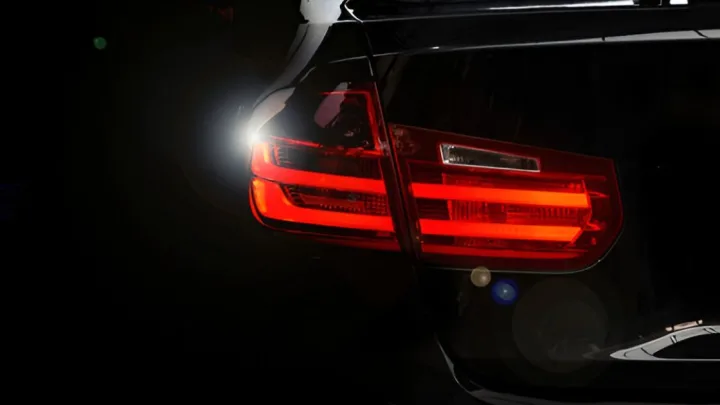
Tail lights are no longer just “rear safety lamps.” In 2026, they’re also a design signature: a clean light bar can make a car look modern, sequential indicators can look high-end, and a subtle smoked lens can change the whole rear profile. The key is doing it without sacrificing visibility, reliability, or legality.
This guide is built for car enthusiasts who want their vehicle to stand out, but still want a setup that’s practical for daily driving and long-term ownership.
Why Custom Tail Lights Matter
Custom tail lights do two jobs at the same time:
-
Style: They change your car’s “rear identity” more than most people expect.
-
Safety: Good tail lights make you easier to see in rain, fog, traffic, and night driving.
The best designs feel “factory-level” in fitment and brightness, just with your personality added.
Popular Custom Tail Light Styles (What’s Trending Now)
A) LED Light Bars (Modern + Clean)
A continuous light bar look is one of the most popular styles because it reads premium, even on budget builds.
Best for: daily drivers, modern sedans/SUVs, subtle builds.
B) Sequential Turn Signals (High-End Look)
Sequential signals “flow” across sections instead of blinking all at once.
Best for: sporty builds, show cars, people who want a modern OEM+ vibe.
C) Smoked / Tinted Lenses (Aggressive Style)
Tint can look great, but it’s also the easiest way to accidentally reduce brightness.
Best for: mild tint only, high-output lights, and legality-conscious builds.
D) Retro / Vintage-Inspired Housings
Classic shapes, chrome-style accents, and older patterns are coming back on restomods.
Best for: classic cars, retro builds, tasteful custom projects.
E) “3D” or Layered Lens Designs
Some assemblies create depth, like floating shapes or layered geometry.
Best for: car meets, enthusiast builds, premium look.
The Legal Reality in the USA (Simple, Useful Rules)
Laws vary by state, but these principles keep you safe in most places:
Keep required colors and functions
-
Tail/running + brake: typically red
-
Turn signals: amber or red depending on vehicle/state norms
-
Reverse lights: white
Visibility matters more than “cool”
If your custom look reduces brightness or visibility, it can become unsafe and get attention from law enforcement. The biggest risk mods are:
-
overly dark tint
-
cheap housings with weak reflectors
-
water-leaking assemblies that fog up
DOT/SAE notes (what buyers look for)
Many drivers prefer assemblies that indicate DOT/SAE compliance on product pages or housings, especially for daily driving.
Practical tip: For AdSense-safe and user-safe advice, recommend choosing reputable brands and correct fitment rather than “how to bypass rules.”
Best Tail Light Materials + Tech (2026 Buyer Breakdown)
LED (Most common, best value)
-
Bright, fast response time, efficient
-
Great for daily use
-
Lots of styles and price points
OLED-style (Premium look)
-
Smooth, even glow
-
Often more expensive
-
Great aesthetics, but buy for quality and sealing
Halogen (older setups)
-
More common on older vehicles
-
Upgrading usually means swapping the whole assembly or using LED bulbs (which can create issues on some cars)
How to Choose the Right Custom Tail Lights (No Regrets Checklist)
Before you buy, run through this:
Fitment and compatibility
-
Confirm year/make/model/trim
-
Check if your car has special features (LED stock, blind spot sensors, etc.)
Build quality (the stuff people complain about in reviews)
-
Strong seals (reduces condensation)
-
Solid connector fit
-
Durable lens material
-
Tight panel alignment
Brightness and clarity
-
Bright brake light, clean turn signal visibility
-
No “dim” look in daylight
Avoid common headaches
-
Condensation/fogging
-
Hyperflash with LED turn signals (some cars need resistors/coding)
-
Random error messages on newer cars
DIY Tail Light Customization (Safe, Practical Approach)
DIY is best when you choose plug-and-play assemblies and avoid risky shortcuts.
DIY-friendly options
-
Swap full tail light assemblies designed for your vehicle
-
Install sequential assemblies if they’re plug-and-play
-
Mild styling changes that do not reduce brightness
Basic install flow (high-level)
-
Verify fitment and test lights before final mounting
-
Remove interior trim/access panels (if needed)
-
Unplug old assembly and remove mounting hardware
-
Install new assembly, ensure seals sit correctly
-
Test: running, brake, turn, reverse, hazards
-
Secure wiring away from pinch points and moisture zones
Pro tip: If your vehicle throws bulb-out warnings or hyperflash, choose a kit designed for your car or get a professional install.
Professional Customization Services (When It’s Worth Paying)
Professional shops are worth it when:
-
you want a custom retrofit (complex patterns/animations)
-
you need wiring work or vehicle coding
-
you’re building a show car and want perfect fit/finish
Typical cost ranges (USA)
-
Basic assembly install: $80–$250 labor (varies by shop and vehicle)
-
Premium or complex installs/coding: $200–$600+
-
Custom retrofits: $500–$2,000+ depending on complexity and parts
Prices vary heavily by vehicle access difficulty and design complexity.
Safety & Visibility: Make It Look Good AND Work Great
A great custom setup should:
-
be easy to see in daylight
-
stay clear in rain/fog
-
remain reliable over years, not weeks
Quick safety checks
-
Stand 50–100 feet back in daylight: are brake lights clearly visible?
-
Check at night: are they dazzlingly bright or well-balanced?
-
Confirm turn signals are obvious from angles (not just straight behind)
Real-World Maintenance (How to Keep Them Looking New)
-
Wash gently (avoid harsh abrasives on lenses)
-
If condensation appears, check seals and mounting alignment
-
Use reputable parts to avoid yellowing and cracking
Custom tail lights are a “buy once, enjoy long” mod when you choose quality.
Final Takeaway
The best custom tail light designs in 2026 combine style, legality, and visibility. If you want maximum satisfaction, choose a vehicle-specific, well-sealed LED (or premium OLED-style) assembly, avoid overly dark tint, and prioritize clean fitment and brightness. Done right, your car’s rear view becomes a signature, not a liability.
Frequently Asked Questions (FAQ)
Are custom tail lights legal in the USA?
Usually yes, if they keep required colors, remain bright and visible, and align with DOT/SAE compliance expectations and your state rules.
Do smoked tail lights reduce visibility?
They can. Heavy tint often reduces daytime brightness; mild tint with high-output lights is safer than dark tint.
Why do LED tail lights sometimes hyperflash?
Some cars detect lower LED power draw and trigger fast blinking; a compatible assembly, resistor, or coding may be needed.
What’s better: LED or OLED tail lights?
LED is the best value and most common; OLED-style looks premium with smoother glow but usually costs more and quality varies.
How much do custom tail lights cost in 2026?
Most sets cost $150–$800+. Premium designs can reach $900–$2,000+ depending on vehicle and build quality.
Can I install custom tail lights myself?
Yes for plug-and-play assemblies. Choose a pro for custom wiring, retrofits, or vehicles that need coding.
What causes tail light condensation after installing new lights?
Typically weak seals, misalignment, or low-quality housings. Well-built assemblies are weather-sealed and fit tightly.
Do custom tail lights increase resale value?
Sometimes, especially for enthusiast buyers if parts are high-quality and the install is clean. Poor mods can reduce value.
Disclosure
Some links may be affiliate links. That means we may earn a small commission at no extra cost to you.