Why Headlight Motors Matter
Headlight motors are small but critical components that help your headlights move, level, or adapt so you can see clearly and other drivers aren’t blinded. Depending on your vehicle, a “headlight motor” may refer to:
-
Pop-up headlight motors (older vehicles where lights flip up/down)
-
Headlight leveling motors (adjust aim based on load, acceleration, or settings)
-
Adaptive/AFS motors (turn headlights with steering, speed, or road angle)
Keeping these motors healthy protects night visibility, improves safety, and can prevent expensive replacements.
Tip: If your vehicle has adaptive headlights, the “motor” system is often tied to sensors and modules. Maintenance is still possible, but diagnosis may require a scan tool.
Common Types of Headlight Motors (So You Maintain the Right Thing)
1) Pop-Up Headlight Motor
-
Moves headlights up/down mechanically
-
Common issues: worn gears, binding linkages, water intrusion
2) Headlight Leveling Motor
-
Adjusts aim to keep beam level when the vehicle load changes
-
Common issues: actuator wear, connector corrosion, calibration problems
3) Adaptive Headlight (AFS) Motor
-
Helps headlights swivel left/right with steering input
-
Common issues: sensor faults, motor wear, module communication issues
Symptoms of Headlight Motor Problems (Fast Diagnosis Table)
| Symptom | Most Common Cause | Quick Check First |
|---|---|---|
| Clicking or rapid ticking | Stripped plastic gear / motor cycling | Inspect housing + listen per headlight |
| Grinding noise | Gear wear or binding linkage | Check movement resistance |
| One headlight moves slower | Voltage drop, weak motor, corrosion | Inspect connector + ground |
| Headlights stuck up/down | Motor failure or seized mechanism | Check fuse/relay, then motor |
| Beams aim too high/low | Leveling motor issue or calibration | Check leveling switch/settings |
| Headlight warning light (AFS) | Sensor/module/motor fault | Check for moisture + get codes |
The 2026 Maintenance Checklist (Simple and Effective)
1) Clean the Right Way (Avoid Water Damage)
Headlight motors don’t like water blasting into seams and connectors.
Do:
-
Wash gently with normal hose flow and automotive soap
-
Use a microfiber cloth around edges and trim
-
Dry around the headlight housing and connector areas
Don’t:
-
Aim a pressure washer directly at headlight seams, rear caps, or wiring connectors
-
Flood the back side of the headlight assembly
Best practice: After washing, pop the hood and let moisture evaporate for a few minutes.
2) Protect Electrical Connectors (Corrosion is a Motor Killer)
Many “bad motor” cases are actually bad power delivery.
What to inspect (2–3 times per year):
-
Connector fitment (loose connectors cause intermittent power)
-
Green/white residue (corrosion)
-
Brittle or cracked insulation near the headlight
Protection step (light touch):
-
If a connector is clean and dry, applying a small amount of dielectric grease to the connector seal area can help resist moisture (do not pack terminals excessively).
Red flag: If corrosion is heavy, clean/repair properly or have it serviced. Over-greasing or improper cleaning can create connection issues.
3) Check Fuses, Relays, and Grounds Before Blaming the Motor
A headlight motor needs stable voltage.
Quick checks:
-
Locate the headlight/AFS fuse in your owner’s manual
-
Check relays if your model uses them
-
Inspect the ground points (a weak ground can mimic motor failure)
If problems happen only sometimes (like after rain), connectors and grounds move to the top of the suspect list.
4) Lubrication for Longevity (Only Where Appropriate)
Some headlight systems use gears and linkages that benefit from correct lubrication.
Use:
-
Silicone-based lubricant for plastic-contact areas (when manufacturer-safe)
-
White lithium grease for metal linkages (if accessible and appropriate)
How (general best practice):
-
Clean the area first (remove grit so you don’t grind it in)
-
Apply a small amount to moving linkage points (not on electrical pins)
-
Cycle headlights (on/off or aim adjustment) to distribute
-
Wipe excess to avoid attracting dirt
Important: Not all sealed headlight assemblies are serviceable. If you can’t access mechanisms safely, skip lubrication and focus on electrical protection + cleanliness.
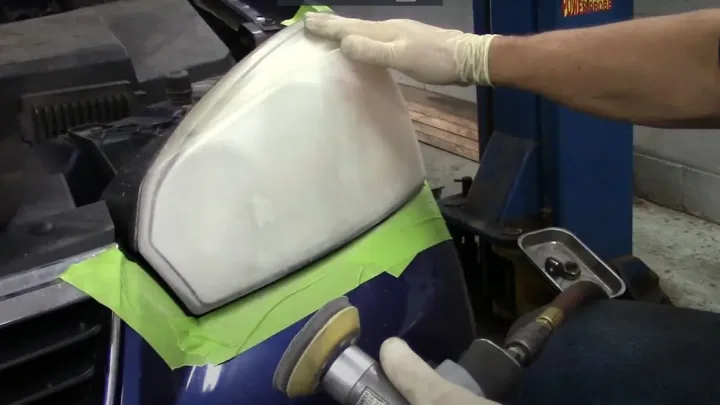
5) Prevent Lens Haze, But Don’t Confuse It With Motor Issues
Cloudy lenses reduce brightness but don’t “break” the motor. Still, lens clarity improves night driving and user experience.
-
Use a reputable headlight restoration kit when needed
-
Apply UV protectant to reduce yellowing
-
Replace badly cracked lenses or assemblies
Troubleshooting: Is It the Motor or Something Else?
Step 1: Compare Left vs Right
If only one side fails, suspect:
-
the motor/actuator on that side
-
that side’s connector, wiring, or ground
Step 2: Listen for “Clicking”
Clicking often points to gear wear, especially in pop-up motor systems.
Step 3: Look for Moisture
Condensation inside the housing can cause corrosion and electrical faults. If moisture is present repeatedly, the assembly seals may be compromised.
Step 4: Watch for Repeated Fuse Blows
If fuses keep blowing, stop troubleshooting and get professional inspection because it may indicate a short or wiring damage.
Repair vs Replace (And What It Usually Costs in the USA)
Costs vary widely by vehicle design, motor type, and labor access. In the USA, typical ranges often look like:
-
Electrical inspection/diagnosis: shop-dependent
-
Motor/actuator replacement: commonly hundreds for parts + labor
-
Adaptive systems: can be higher due to calibration/modules
Rule of thumb:
-
Repair/replace the motor when it’s clearly failing (stuck, grinding, dead)
-
Repair connectors/wiring when symptoms are intermittent or weather-related
-
Consider full assembly replacement if seals are failing and moisture keeps returning
Adsense-safe note: Prices fluctuate by vehicle and region. Use this as a general expectation, not a quote.
Upgrading Headlight Motors: When It Makes Sense
Consider an upgrade or improved parts choice when:
-
your motor fails repeatedly
-
you drive in harsh weather regions (salt, heavy rain)
-
you notice uneven aim or slow response over time
Smart upgrade checklist:
-
Verify compatibility (VIN fitment, part number match)
-
Prefer reputable brands and warranty-backed parts
-
Avoid ultra-cheap no-name parts when safety lighting is involved
Prevent Environmental Damage (Salt, Heat, Water, Road Grime)
Salt + grime can creep into connectors and mounts.
-
Wash more frequently in winter or coastal areas
-
Keep the back side of headlight housings clean
-
Avoid parking under constant sprinkler overspray if possible
-
Address cracked rear caps/seals early
Final Takeaway
Headlight motors last longer when you reduce moisture exposure, protect electrical connections, and address early warning signs like clicking, slow movement, and uneven aim. Keep maintenance simple: gentle cleaning, connector inspection, and smart troubleshooting before replacing parts. That approach improves safety, prevents repeat failures, and helps you avoid paying for unnecessary replacements.
Frequently Asked Questions (FAQ)
How often should I check my headlight motors?
Inspect them 2–3 times a year and anytime you notice clicking, slow movement, uneven aiming, or moisture inside the headlight housing.
What are the most common signs of headlight motor failure?
Common signs include clicking or grinding noises, headlights moving slowly or unevenly, headlights stuck up/down, incorrect beam aim, or an adaptive headlight warning light.
What causes headlight motors to fail most often?
The most common causes are moisture intrusion, connector corrosion, worn gears (especially in pop-up systems), binding linkages, and voltage/ground issues.
Is it always the motor if one headlight won’t move?
Not always. A loose connector, corrosion, blown fuse, faulty relay, weak ground, or wiring damage can mimic a bad motor. Check power and connections first.
Why do I hear clicking when the headlights try to move?
Clicking often indicates worn or stripped gears, a binding mechanism, or a motor that keeps cycling because it can’t reach its correct position.
Can I drive with a bad headlight motor?
It’s risky if the headlights can’t aim properly because visibility drops and you may blind other drivers. Fix it soon, especially if lights are stuck or misaligned.
Does weather affect headlight motor lifespan?
Yes. Rain, snow, road salt, heat, and moisture cycles can speed up corrosion and seal wear, increasing the chance of motor and connector issues.
Can I pressure-wash headlights safely?
Avoid spraying high pressure at headlight seams, rear caps, and electrical connectors. High pressure can push water into sensitive areas and cause electrical faults.
What maintenance helps headlight motors last longer?
Clean gently, keep the area dry, inspect connectors, prevent corrosion, avoid direct high-pressure water, and address moisture inside the housing early.
When should I get professional help for headlight motor problems?
Get professional help if fuses keep blowing, you smell burning, headlights are stuck in unsafe positions, moisture keeps returning, or adaptive headlight warnings persist.
Disclosure
Some links may be affiliate links. That means we may earn a small commission at no extra cost to you.