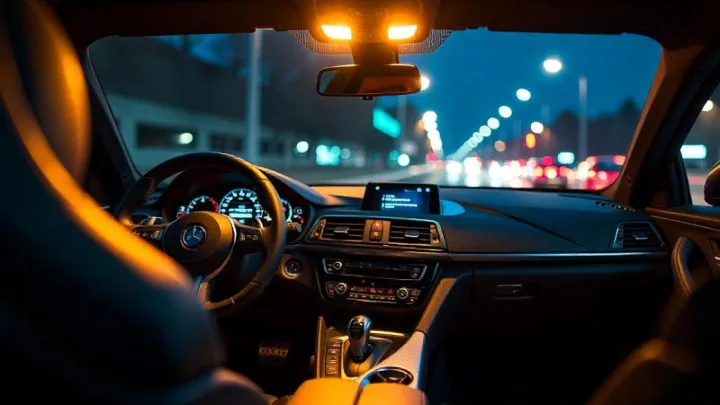
Modern cars aren’t just engines and wheels, they’re systems designed to reduce effort and reduce distraction. One small but important part of that system is the overhead console, sometimes casually called the dome light console or roof console.
It sits above the driver and front passenger, usually near the rearview mirror area. In many vehicles, it combines interior lighting with convenience features such as map lights, storage, microphones for hands-free calling, and control buttons. In higher trims, it can also include garage door controls (HomeLink), sunroof switches, or an SOS/telematics button.
This guide breaks down what the overhead console really does, how it supports comfort and everyday safety, what features you can expect by trim level, and what to do when it stops working.
What Is an Overhead Console (Dome Light Console)?
An overhead console is a roof-mounted interior module that typically includes:
-
Dome light (general cabin lighting)
-
Map lights (focused light for driver/passenger)
-
Switches/buttons (sunroof, lighting modes, sometimes assistance buttons)
-
Microphones (hands-free calling, voice commands, cabin noise pickup)
-
Storage (sunglasses holder, small compartment)
Think of it as the car’s “ceiling command zone”: a place where common functions are grouped so you can use them quickly without hunting across the dashboard.
How It Improves Comfort (Real-World Benefits)
Better Cabin Lighting When You Need It
Map lights help with quick tasks like reading directions, checking a receipt, or finding a dropped item without turning on a harsh full cabin light.
Easy Access to Controls
The overhead location is deliberate. Many drivers can reach it naturally, which makes it faster to adjust lighting or use a control without leaning around.
Less Visual Clutter on the Dashboard
Instead of cramming everything into the center stack, the console can carry small functions (lights, mic, storage) in one compact zone.
Better Passenger Experience
Passengers often use the overhead console more than people realize, especially in rideshares, family trips, and night driving.
How It Supports Safety (Accurate, 2026-Ready)
The overhead console isn’t a crash structure and it isn’t an “airbag deployment hub” in most vehicles. But it does support safety in practical ways:
Reduced Distraction Through Convenience
When controls are easy to find and use, drivers spend less time searching and less time taking their eyes off the road.
Visibility Inside the Cabin
Good interior lighting matters for seatbelt checks, child safety, and quick decisions at night. A well-designed lighting layout helps reduce fumbling.
Hands-Free Communication Support
In many vehicles, microphones near the overhead console help with hands-free calls and voice commands. That means less phone handling, fewer distractions.
Emergency Access (Trim-Dependent)
Some vehicles include SOS/telematics controls near the overhead console. This can help drivers quickly contact roadside or emergency services when equipped.
Key note: Always use “may include” language because features depend on make/model/trim.
Common Overhead Console Features (By Trim Level)
Base Trims Usually Include
-
Dome light + map lights
-
Simple on/off or door-trigger modes
Mid Trims Often Add
-
Sunglasses storage
-
Better LED lighting
-
Additional switches (sunroof if equipped)
Higher Trims May Add
-
Microphones for voice commands and calling
-
HomeLink garage door buttons
-
SOS/telematics button
-
Ambient lighting integration
This trim-based explanation helps users instantly understand why their friend’s car “has more buttons.”
Common Problems (And What They Usually Mean)
Dome lights don’t turn on with the door
Possible causes:
-
Door switch sensor issue
-
Lighting setting disabled in infotainment
-
Fuse issue
One map light works, the other doesn’t
Possible causes:
-
One bulb/LED module failing
-
Switch contact issue
Flickering or dim lighting
Possible causes:
-
LED module degradation
-
Loose connector
-
Voltage fluctuation (less common, but possible)
Buttons work but lights don’t (or vice versa)
Possible causes:
-
Partial circuit failure inside the console
-
Connector seating issue
-
Module-level failure
AdSense-safe tip: Avoid risky “step-by-step repair instructions” that can cause liability. Instead, describe “common causes” and recommend a professional inspection if unsure.
Replacement Cost in the USA (Typical Ranges)
Overhead console cost varies massively based on the vehicle, features, and whether you buy OEM or used:
-
Used/Salvage unit: often the lowest-cost option
-
New OEM unit: typically higher
-
Labor cost: depends on complexity and wiring
What drives price:
-
Built-in microphones/telematics features
-
Sunroof controls
-
HomeLink integration
-
Vehicle brand and parts availability
Smart buyer note: Always match part numbers and trim options to avoid compatibility issues.
Buying Guide: How to Choose the Right Overhead Console
When shopping (including marketplaces and listings), check these details:
-
Make, model, year (exact match)
-
Trim level (base vs premium differences)
-
Feature list (HomeLink, mic, SOS, sunroof controls)
-
Connector type and pin count
-
Color/finish (headliner color match)
-
Return policy (important for electrical parts)
This section aligns with how people actually shop on Amazon/eBay-style listings without copying any listing text.
2026 AEO Boost Section: “Definition + Takeaways”
Simple definition (AEO-friendly)
The overhead console is a roof-mounted interior module that usually includes dome/map lights and can also include storage, microphones, and convenient buttons depending on the vehicle.
Key takeaways
-
It improves comfort mainly through lighting and convenience.
-
It supports safety indirectly by reducing distraction and improving cabin visibility.
-
Features vary heavily by trim and options.
-
Buying the wrong version is the #1 reason replacements fail.
Conclusion
The overhead console (dome light console) is a small component with a big daily impact. It improves comfort through better lighting, smarter placement of controls, and optional features like microphones and convenient buttons. While it isn’t a structural crash component, it can still support safer driving by helping reduce distraction and improving cabin visibility. If your console features stop working, the cause is often simple, but replacement should always match your vehicle’s trim and connector type to avoid compatibility headaches.
Frequently Asked Questions (FAQ)
What is an overhead console in a car?
An overhead console is the roof-mounted interior module near the front headliner that typically includes dome/map lights and may include storage, microphones, and control buttons depending on the vehicle.
Is an overhead console the same as a dome light?
Not always. A dome light is mainly a light assembly, while an overhead console can be a larger unit that combines lights with extra features like storage, microphones, or additional controls.
Does an overhead console improve vehicle safety?
Indirectly, yes. It can reduce distraction by keeping common controls easy to reach and improves cabin visibility at night. Some vehicles also include SOS/telematics or hands-free microphones in this area.
Why do some cars have more overhead console buttons than others?
Overhead console features vary by trim level and options. Higher trims may add HomeLink, microphones, sunroof controls, and SOS buttons, while base trims may only have lights.
What causes dome or map lights to stop working?
Common causes include a blown fuse, a faulty door switch sensor, a failing bulb or LED module, a loose connector, or interior lighting settings being turned off.
Can I replace an overhead console myself?
Some replacements are straightforward, but it depends on wiring complexity and features like microphones or telematics. If your vehicle has advanced functions in the console, professional help is often safer.
How much does an overhead console replacement cost in the USA?
Costs vary widely by vehicle and features. Used units are often cheaper than new OEM parts, and labor depends on how complex the wiring and trim removal is.
What should I check before buying an overhead console online?
Match the year/make/model, trim level, connector type, and feature set (HomeLink, mic, sunroof controls). Also confirm color/finish and ensure the seller has a return policy.
Do overhead consoles include airbag sensors?
In most vehicles, airbag sensors are not located in the overhead console. The console typically focuses on lights, controls, microphones, and optional telematics features.
What is the most common reason an overhead console replacement doesn’t work?
The most common reason is a compatibility mismatch, such as different connectors, different trim-level features, or a part number that doesn’t match your vehicle configuration.
Disclosure
Some links may be affiliate links. That means we may earn a small commission at no extra cost to you.