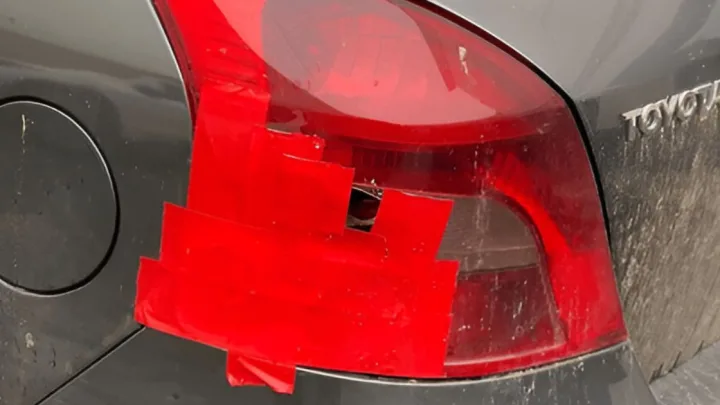
Rear tail light covers can protect your tail light lenses from scratches, stone chips, and harsh weather while adding a cleaner, sportier look. But covers also come with trade-offs: the wrong material can yellow, the wrong fit can trap moisture, and the wrong tint can reduce visibility. This guide helps you choose a cover that looks good, fits correctly, and keeps your rear lights clearly visible.
Why Tail Light Covers Matter
1) Protection
Tail light lenses sit in the line of fire for road debris, car washes, UV rays, and parking-lot bumps. A quality cover acts like a shield, helping reduce:
-
Surface scratches and haze
-
Small chips from gravel
-
Dirt buildup that can dull the lens
-
Premature fading from sunlight
2) Visibility and safety
Your tail lights communicate braking, signaling, and nighttime presence. If a cover reduces light output too much, it can increase risk in fog, rain, and dark highways. The best covers protect without making your lights “hard to read.”
Step 1: Choose the Right Material (What lasts in real life)
Polycarbonate (Best all-around)
Why it wins: strong impact resistance, good clarity, and better durability than cheap plastic when UV-coated.
Best for: daily drivers, highway commuters, mixed weather states.
Acrylic (Great clarity, less impact resistance)
Often very clear and glossy but can crack more easily from impact than polycarbonate.
Best for: styling upgrades in mild conditions, careful owners.
ABS plastic (Budget-friendly)
Lightweight and affordable but quality varies. Lower-grade ABS can fade or warp faster.
Best for: tight budgets, temporary styling, gentle use.
Metal or mesh guards (Niche, protection-focused)
These are more “guards” than covers and can change the look dramatically. Some designs may block or pattern the light output.
Best for: off-road vibes, protection-first builds (verify visibility).
Material comparison table
| Material | Pros | Cons | Best for | Typical price range (pair) |
|---|---|---|---|---|
| Polycarbonate | Tough, long-lasting, good clarity | Cheap versions can yellow without UV coat | Most drivers | $30–$120 |
| Acrylic | Very clear, glossy look | More crack-prone vs polycarbonate | Style upgrades | $25–$100 |
| ABS Plastic | Affordable, widely available | Quality varies; may fade sooner | Budget builds | $20–$80 |
| Metal/Mesh | Physical protection, unique look | Can alter light pattern/visibility | Off-road style | $40–$150 |
Step 2: Nail Compatibility and Fit (This is where most people lose)
A tail light cover must match your exact tail light shape.
Fitment checklist (use this before you buy)
-
Vehicle year / make / model / trim
-
Tail light style (LED vs halogen, facelift vs pre-facelift)
-
Cover type (full lens cover vs partial accent cover)
-
Mounting method compatibility (clip/bolt/adhesive)
-
Return policy if the fit is off by even a few millimeters
What “good fit” looks like
-
Sits flush with no visible gaps
-
Doesn’t press into the lens or housing
-
Doesn’t rattle on bumps
-
Doesn’t trap water at the edges
Pro tip: If you see lots of “universal fit” listings, treat them like a gamble. For clean results, vehicle-specific beats universal almost every time.
Step 3: Design and Style (without wrecking visibility)
Tail light covers usually fall into these styles:
Clear (OEM-like)
Keeps factory brightness and is easiest to justify for visibility.
Light smoke (most popular “custom” choice)
Adds a darker look while still allowing light output, if done moderately.
Dark smoke / blackout (high-risk choice)
Often reduces brightness too much, especially in rain and at night. This is where people get in trouble with both visibility and enforcement.
Textures and finishes
-
Gloss: showroom look, shows fingerprints
-
Matte: hides small scratches better
-
Patterned/carbon: style-forward but can look “aftermarket” quickly
Step 4: Light Transmission and Legal Reality (USA)
Rules vary by state and can change, so there’s no single “legal everywhere” tint level. The safe approach is practical:
-
Avoid covers that noticeably reduce brightness
-
Avoid covers that change the color of the light output
-
Prefer products that mention compliance markings or fit-for-road use where applicable
-
Test visibility in real conditions (night + rain if possible)
Quick night visibility test (simple and effective)
-
Park in a dark area.
-
Turn on running lights, then brakes, then signals.
-
Stand 100–150 feet behind the vehicle (about 7–10 car lengths).
-
If the lights look dull, muddy, or hard to distinguish, your cover is too aggressive.
Step 5: Installation (DIY-friendly, but do it clean)
Common installation types
1) Clip-on / snap-fit
Fast, usually more consistent alignment.
2) Adhesive-backed (tape or glue)
Works well only if the surface is clean and warm enough. Adhesive failures usually happen because of:
-
Wax, polish, or dust left on the lens
-
Cold weather install
-
Misalignment on first placement
3) Screw/bolt mount
More secure but more effort and risk if the kit isn’t designed specifically for your vehicle.
DIY installation checklist
-
Wash lens thoroughly and dry completely
-
Use isopropyl alcohol wipe (no oily residue)
-
Align before sticking or clipping
-
Press evenly and allow time to bond (if adhesive)
-
Recheck after first drive for rattles or lifting edges
Step 6: Maintenance and Care (keep them clear, not cloudy)
Cleaning rules that prevent haze
-
Use mild soap + soft microfiber cloth
-
Avoid harsh solvents and rough sponges
-
Rinse grit off first to avoid micro-scratches
If you see condensation
Condensation often means air is trapped or edges aren’t sealing well.
Try:
-
Re-seating the cover
-
Checking edge alignment and any gasket areas
-
If it persists, consider a better-fitting cover (poor fit is usually the real culprit)
What to Buy in 2026 (simple decision guide)
Choose polycarbonate if you want the safest long-term buy
It’s the best balance of clarity, impact resistance, and durability.
Choose clear if you prioritize maximum visibility
Best for heavy rain regions, rural highways, and night driving.
Choose light smoke only if it passes your night test
Looks great, but don’t sacrifice brightness.
Choose vehicle-specific fitment
It reduces rattles, gaps, and moisture issues.
Buyer Checklist (bookmark this)
Before checkout, confirm:
-
✅ Exact fitment: year/make/model/trim
-
✅ Material: UV-coated polycarbonate preferred
-
✅ Light output: doesn’t noticeably dim/brake/signal visibility
-
✅ Install method: clip-on or quality adhesive setup
-
✅ Return policy: easy returns if fit is off
-
✅ Reviews mention: “fits flush,” “no rattle,” “no condensation,” “clear at night”
Frequently Asked Questions (FAQ)
Are smoked tail light covers legal in the USA?
Laws vary by state. Choose light smoke that does not noticeably reduce brightness, and test visibility at night before regular driving.
Do tail light covers reduce brightness?
Some do. Clear covers usually have minimal impact, while darker covers can reduce visibility, especially in rain or at night.
What is the best material for tail light covers?
UV-coated polycarbonate is typically the best all-around choice for durability, impact resistance, and clarity over time.
Will universal tail light covers fit my vehicle?
Universal covers can work, but fit issues are common. Vehicle-specific covers usually fit flush, seal better, and look cleaner.
How can I prevent adhesive tail light covers from peeling?
Clean the lens fully, wipe with isopropyl alcohol, install in mild temperatures, align carefully, and apply firm pressure for a strong bond.
Why do my tail light covers have condensation?
Condensation usually means gaps or poor sealing. Re-seat the cover and check alignment; if it persists, switch to a better-fitting cover.
Can tail light covers damage the factory lens?
They can if dirt is trapped underneath or harsh chemicals are used. Keep surfaces clean and use gentle cleaning methods.
Are metal or mesh tail light guards safe to use?
Some are, but they can change the light pattern. Verify that brake and signal lights remain clearly visible from a distance.
Disclosure
Some links may be affiliate links. That means we may earn a small commission at no extra cost to you.