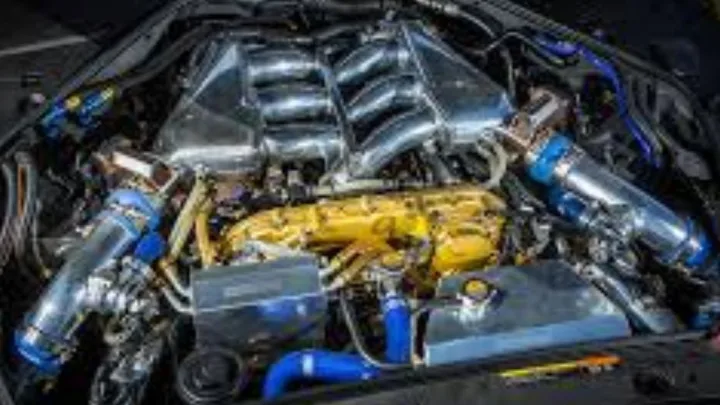
Making your engine bay look good is equal parts safe cleaning and smart cosmetics. A spotless engine bay makes routine checks easier, helps you spot leaks sooner, and gives your car that “well cared for” vibe when someone pops the hood. The key is doing it without soaking sensitive electrical parts or leaving greasy residue that attracts dust.
This guide is designed for USA drivers and written in a practical, AdSense-safe style: clear steps, real-world tips, common mistakes, and upgrades that people actually buy and use.
What “Nice” Means (Clean + Tidy + Consistent Finish)
A great-looking engine bay usually has:
-
Minimal dust and grime on plastics and painted surfaces
-
No oily shine (satin looks cleaner than greasy gloss)
-
Even color on plastic covers and hoses (restored, not faded)
-
Neat wiring and hose routing (nothing sloppy or dangling)
-
Clean hardware (clamps/bolts not rusty or crusty)
Safety First: What to Cover and What to Avoid
Before you clean anything, protect the parts that hate water and chemical overspray.
Cover these items
-
Alternator (common no-spray zone)
-
Fuse/relay box
-
Battery terminals (especially if corroded)
-
Exposed air intake / aftermarket open filters
-
Visible ignition coils / wiring connectors (if exposed)
Use plastic bags + painter’s tape. Keep it simple: cover what you can clearly identify.
Avoid these mistakes
-
Cleaning a hot engine (heat + chemicals = stains and risk)
-
Pressure washing the engine bay
-
Directly blasting water into connectors and electrical housings
-
Leaving degreaser to dry on painted areas
-
Using greasy tire shine products under the hood (dust magnet)
Tools and Materials (What You Actually Need)
You don’t need a pro shop setup. This is enough for most cars:
Cleaning
-
Engine-safe degreaser or APC (all-purpose cleaner)
-
Soft detailing brushes (small + medium)
-
Microfiber towels (several)
-
Spray bottle with water (controlled rinsing)
-
Compressed air or a small blower (optional but great)
Finishing
-
Plastic/rubber protectant (non-greasy, satin finish)
-
Metal polish (for aluminum/brackets/heat shields)
-
Glass cleaner (for painted underside areas if needed)
Optional upgrades
-
Wire loom / split tubing
-
Heat-resistant zip ties
-
Hose clamps (fresh stainless clamps look clean)
-
Battery cover or universal dress cover
-
Replacement plastic clips (cheap, huge improvement)
Tip: Many of these are commonly found on Amazon and auto parts stores, and enthusiasts frequently recommend them in detailing forums for being easy and low-risk.
Step 1: Prep the Engine Bay (5–10 minutes)
-
Park in shade and let the engine cool completely.
-
Open the hood and remove loose debris (leaves, sand, dust).
-
Take quick “before” photos so you can spot missed areas later.
-
Cover sensitive components (alternator, fuse box, intake opening).
Step 2: Dry Clean First (The secret to easier detailing)
Before liquids touch the bay:
-
Use a soft brush to loosen dust from covers and crevices
-
Vacuum or wipe away loose dirt
-
Use compressed air to push dust out of corners
Dry cleaning reduces muddy streaks and makes degreasing faster.
Step 3: Safe Degreasing (Clean without drama)
Where to apply degreaser
-
Plastic engine covers
-
Painted metal surfaces
-
Firewall areas with grime
-
Around oil caps and dirty edges (carefully)
How to apply
-
Mist degreaser onto a towel or brush for sensitive areas
-
Lightly spray onto dirty plastics and surfaces (don’t soak)
-
Agitate with a soft brush
-
Wipe away with microfiber towels
Rinsing (controlled, not flooding)
Instead of blasting water:
-
Use a lightly damp microfiber towel to “rinse”
-
Or use a spray bottle with water for controlled rinsing
-
Wipe and repeat until residue is gone
This method is safer for most daily-driver engine bays.
Step 4: Detail the Hard-to-Reach Areas (Where the “wow” lives)
Use a small brush or toothbrush for:
-
Tight corners near the strut towers
-
Around clamps and hose joints
-
Hood hinges and edges
-
Behind engine covers
-
Plastic ribs and textured surfaces
Pro tip: Wrap a microfiber around a brush handle to reach narrow gaps.
Step 5: Drying (Don’t skip this)
Proper drying prevents water spots and reduces the chance of moisture sitting where you don’t want it.
Best method:
-
Pat dry with microfiber towels
-
Use compressed air around connectors, creases, and bolt heads
-
Let the hood stay open 10–20 minutes after drying
Step 6: Make It Look “New” (Restoring Plastics and Rubber)
This is the biggest visual upgrade for most engine bays.
What to use
Use a non-greasy plastic/rubber protectant that dries to a satin finish.
How to apply (cleanest look)
-
Apply protectant to an applicator pad or towel
-
Wipe evenly across plastics and hoses
-
Buff lightly with a clean towel to remove excess shine
Result: darker, richer plastics without oily residue.
Step 7: Polish Visible Metal (Small effort, big reward)
Polish only what makes sense visually:
-
Aluminum brackets
-
Metal covers (if safe to do so)
-
Non-painted metal pieces you want to pop
Avoid polishing near belts or areas where residue could fling.
Step 8: Engine Bay Dress-Up Upgrades (Budget to Premium)
If you want the engine bay to look “built” not just cleaned, these upgrades are popular and practical.
Budget upgrades (best ROI)
-
Replace missing plastic clips and fasteners
-
Add split wire loom to messy wiring runs
-
Replace rusty hose clamps with stainless clamps
-
Clean/replace a faded engine cover badge (if applicable)
Mid-level upgrades (noticeable difference)
-
Battery cover (universal or vehicle-specific)
-
Matching hardware kit (tasteful bolts/washers)
-
New rubber weather strip near the bay edges
Premium upgrades (show look, more effort)
-
Painted valve cover (heat-safe paint and proper prep)
-
Shaved/tucked wiring (only if you know what you’re doing)
-
Aftermarket engine cover kits (vehicle-specific)
AdSense-safe note: Don’t oversell upgrades as “performance gains.” Stick to aesthetics, maintenance ease, and cleanliness.
30–45 Minute “Make It Look Nice” Checklist
-
Remove debris and dry brush dust
-
Light degrease and wipe (no soaking)
-
Clean corners and textured plastics
-
Dry completely (towels + air)
-
Apply satin protectant and buff
-
Polish 1–2 visible metal spots
-
Tidy wiring with loom + ties
What Not To Do (Common mistakes that ruin the look)
-
Using greasy tire shine in the engine bay (attracts dust fast)
-
Leaving protectant unbuffed (looks oily and uneven)
-
Pressure washing and forcing water into connectors
-
Cleaning without drying (water spots and streaks)
-
Ignoring plastic clip replacements (small details matter)
Maintenance Schedule (Keep it clean without redoing everything)
-
Every 2–4 weeks: quick wipe of dust, touch-up plastics
-
Every 3–6 months: light degrease + protectant refresh
-
After winter or heavy rain season: deeper clean + check for corrosion
Conclusion
A nice-looking engine bay is a mix of safe cleaning, drying, and finishing touches. Start with a controlled degrease and wipe approach, restore plastics to a satin finish, and tidy visible wiring. If you want the “show-ready” look, simple dress-up upgrades like fresh clamps, wire loom, and clean covers make a bigger difference than most expensive parts. Done right, your engine bay stays clean longer, looks sharper, and makes your car feel better maintained overall.
Frequently Asked Questions (FAQ)
Is it safe to wash an engine bay?
Yes, if you do it carefully. Clean only when the engine is cool, cover the alternator/fuse box/intake opening, avoid pressure washing, use light degreaser, and dry everything fully.
What should I cover before cleaning my engine bay?
Cover the alternator, fuse/relay box, exposed battery terminals, open air intake/filter, and any exposed connectors in the splash zone using plastic bags and painter’s tape.
What makes an engine bay look the nicest?
A satin (non-greasy) finish on plastics, clean engine covers, polished small metal pieces, tidy wiring with loom/zip ties, and clean clamps/fasteners create the best ‘show-ready’ look.
How do I restore faded plastic under the hood?
Clean first, then apply a non-greasy plastic/rubber protectant evenly and buff to a consistent satin finish. Avoid oily dressings that attract dust quickly.
Can engine bay cleaning improve performance?
Not directly, but it helps you spot leaks, worn hoses, and loose connections early, which improves reliability and can prevent issues that reduce performance later.
How often should I clean my engine bay?
For most daily drivers, do a quick wipe monthly and a deeper clean every 3–6 months, or after winter/heavy rain seasons.
What’s the biggest mistake people make when cleaning an engine bay?
Pressure washing or soaking electrical components. Use controlled cleaning: light degreaser, soft brushes, microfiber wiping, minimal water, and thorough drying.
What are the best low-cost upgrades to make an engine bay look nicer?
Replace missing plastic clips, add split wire loom to tidy wiring, swap rusty hose clamps for stainless clamps, and add a simple battery cover for a cleaner visual finish.
What products are safe for engine bay detailing?
Use engine-safe degreasers/APCs, soft brushes, microfiber towels, a non-greasy protectant for plastics, and a gentle metal polish for visible metal parts. Avoid harsh solvents and greasy tire shine.
Can I use a pressure washer in the engine bay?
It’s risky and not recommended for most people. High pressure can force water into connectors and electronics. Use low-pressure misting or wipe-rinsing instead.
Disclosure
Some links may be affiliate links. That means we may earn a small commission at no extra cost to you.