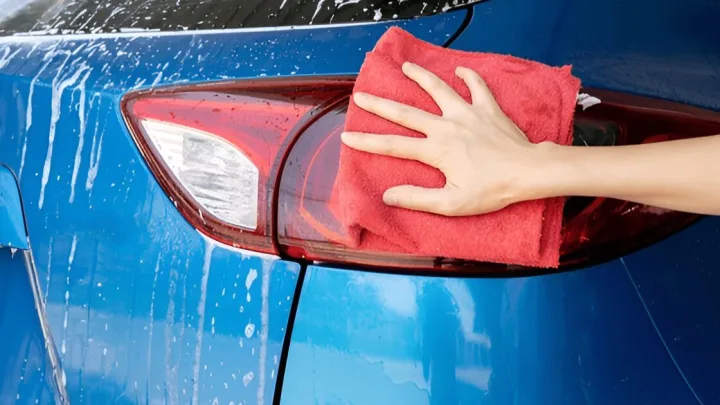
Why a Broken Tail Light Cover Matters
A tail light cover (also called a tail light lens) protects the rear light from water, dust, and impact. When the cover is cracked or missing, you may see:
-
dim or scattered light output
-
water inside the housing (condensation)
-
faster bulb failure or corrosion
-
higher risk of getting pulled over in the U.S. if visibility is affected
For safe driving and fewer headaches, it’s smart to fix it quickly.
Before You Buy Anything: Cover-Only vs Sealed Assembly (Critical)
This is the #1 reason DIY guides fail: many cars do not sell the lens/cover separately.
How to tell which type you have
You can often replace only the cover/lens if:
-
your vehicle is older or has a simple non-sealed lens design
-
parts listings show “lens” or “cover” as a standalone part
-
you see clips/adhesive seams designed for lens separation
You must replace the full tail light assembly if:
-
the unit is sealed (common with modern LED tail lights)
-
parts listings show only “tail lamp assembly”
-
the lens is fused to the housing (no serviceable seam)
✅ Best practice: Search parts by Year / Make / Model / Trim and compare photos to your unit.
Tools and Materials Checklist (No Duplicates, 2026 Clean)
Essential tools
-
Phillips screwdriver (or flathead depending on trim clips)
-
Socket set (commonly 8mm or 10mm)
-
Trim removal tool (prevents broken plastic clips)
-
Clean microfiber cloth
-
Gloves (keeps lens clean and protects hands)
Optional (depending on vehicle)
-
Torx bit set
-
Replacement bulbs (if yours are old or contaminated)
-
Dielectric grease (helps prevent corrosion in wet climates)
-
New foam gasket (if your assembly uses one)
Step-by-Step: How to Replace a Tail Light Cover (or Assembly)
This method works for most sedans, SUVs, and trucks. Some vehicles access the tail light through a trunk liner, others from an exterior panel.
Step 1: Park safely and protect the car
-
Park on a flat surface, set parking brake
-
Turn lights off
-
Open trunk or rear hatch
Step 2: Disconnect the battery (recommended)
Disconnecting the negative terminal reduces the chance of shorts or errors while unplugging the tail light connector.
Step 3: Access the tail light fasteners
Inside the trunk/hatch area:
-
remove trunk liner clips or access panel
-
locate the tail light studs/nuts or screws
Tip: Put clips and screws in a small container so nothing disappears.
Step 4: Remove the tail light assembly
-
Use your socket to remove the nuts (common: 8mm/10mm)
-
Support the assembly with one hand as the final fastener comes off
-
Pull the assembly straight out (wiggle gently if it’s seated tight)
Step 5: Disconnect bulb sockets or electrical connector
-
Twist bulb sockets counterclockwise and remove, OR
-
press the connector tab and unplug the harness
Avoid pulling wires directly.
If Your Car Allows Cover/Lens-Only Replacement
Some lenses are clipped or bonded.
Clip-on lens (older designs)
-
release clips carefully using a trim tool
-
remove the cracked lens
-
snap the new lens evenly into place
Bonded lens (adhesive/sealant)
Many DIYers replace the full assembly instead because resealing can be messy.
If you do lens-only replacement, make sure it reseals properly to avoid water intrusion.
✅ Leak prevention matters more than speed.
If Your Car Uses a Sealed Tail Light Assembly (Most Modern Cars)
This is the most common scenario in 2026.
-
Compare the new assembly to the old one (shape, connector, gasket)
-
Transfer bulbs if your new assembly doesn’t include them
-
Seat the assembly carefully into alignment pins
-
Tighten fasteners snugly (do not over-tighten)
-
Reconnect the electrical connector/bulb sockets
Step 6: Test the lights (Do this before reassembly)
Turn the car power on and test:
-
tail/running lights
-
brake lights
-
turn signals
-
reverse lights (if part of the assembly)
If anything fails, recheck:
-
bulb seating
-
connector clip lock
-
blown fuse (rare, but possible)
Step 7: Reassemble and finish clean
-
reinstall trunk liner/access panel
-
wipe the lens with microfiber cloth (fingerprints reduce clarity)
-
check alignment and gap around the housing
Post-Install Leak Check (Highly Recommended)
A cracked lens often means moisture issues.
After installing:
-
lightly spray water near the tail light (not a pressure washer blast)
-
check inside trunk/hatch for dampness
-
look for fogging inside the lens within 24–48 hours
If you see moisture:
-
confirm gasket is seated
-
tighten evenly
-
inspect cracked body clips or missing foam seal
Common Mistakes to Avoid (2026 Practical)
-
Buying the wrong part (trim level matters, LED vs halogen matters)
-
Over-tightening nuts and cracking housing tabs
-
Touching bulbs with bare fingers (for halogen types)
-
Skipping the gasket check leading to condensation
-
Not testing lights before reassembly (wastes time)
Cost & Value (AdSense-Safe, No “too-good-to-be-true” claims)
Costs vary widely by vehicle, lighting tech (LED), and brand.
-
lens-only replacements (if available) tend to be cheaper
-
sealed assemblies can cost more, but DIY often saves labor charges
For best value, compare:
-
OEM style fitment
-
verified buyer reviews (fit + seal quality)
-
included gasket/bulbs vs “housing only”
Troubleshooting (Fast Fixes)
Tail light won’t turn on
-
check connector lock tab
-
reseat bulb socket
-
confirm correct bulb type
-
check fuse using owner’s manual
Fast blinking turn signal
-
usually indicates a bulb/LED issue or wrong fitment
-
recheck bulb compatibility and connection
Condensation inside lens
-
gasket not seated
-
housing not flush
-
crack in new or old sealing area
If problems persist, a mechanic can confirm wiring or body fitment issues.
Frequently Asked Questions (FAQ)
Can you replace only the tail light cover?
Sometimes, but many modern vehicles use a sealed tail light assembly where the lens/cover is not sold separately. If your parts listing offers only an assembly, replace the full tail light unit.
How long does it take to replace a tail light cover or assembly?
Most DIY replacements take 20–60 minutes. If trunk trim is complex or clips are tight, it may take up to 90 minutes.
Do I need special tools to replace a tail light cover?
Usually no. A screwdriver, 8mm/10mm socket, trim removal tool, gloves, and a microfiber cloth handle most vehicles. Some models require Torx bits.
Is it legal to drive with a cracked tail light cover in the USA?
It can be illegal if the damage reduces visibility, shows white light to the rear, or the tail light fails. Fixing it quickly helps you stay safer and avoid citations.
How do I prevent condensation after installing a new tail light cover or assembly?
Make sure the gasket is seated, the housing sits flush, and fasteners are tightened evenly. If moisture appears, recheck alignment and seal contact points.
Why is my turn signal blinking fast after replacement?
Fast blinking often indicates a bulb/LED issue, a loose connection, or incorrect compatibility. Reseat the bulb or connector and verify the part matches your vehicle trim.
Disclosure
Some links may be affiliate links. That means we may earn a small commission at no extra cost to you.