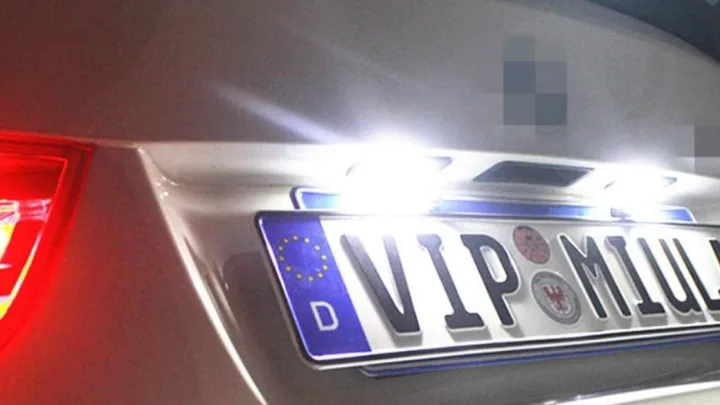
License plate lights (also called number plate lamps) are small, easy-to-ignore parts that can create big problems when they fail. In the USA, a plate that isn’t readable after dark can attract unwanted attention during traffic stops and can reduce your vehicle’s visibility and identification in low light.
Beyond compliance, plate lighting is also a clean “micro-upgrade” that makes your rear end look newer, especially if you switch from dim yellow bulbs to crisp white LED units. The best setups strike a balance: clear white light, no glare, weather resistance, and stable performance over time.
What License Plate Lights Do (Simple Definition)
A license plate light is a rear-facing lamp designed to:
-
Illuminate your plate in darkness
-
Improve identification for drivers and law enforcement
-
Help meet local vehicle equipment rules
-
Maintain a clean, modern appearance at the rear of the car
USA Legality: What’s Typically Allowed (2026 Practical Notes)
In most parts of the USA, plate lights are expected to be:
-
White light
-
Steady (not flashing)
-
Not overly bright or dazzling
-
Aimed at the plate, not outward into traffic
Because regulations can vary by state and vehicle type, treat this as a rule of thumb and verify your local requirements if you’re planning tinted covers, colored bulbs, or very bright aftermarket housings.
Best compliance approach: choose a white, non-flashing, well-aimed lamp that cleanly illuminates the full plate.
Types of License Plate Lights
1) Traditional Incandescent Bulbs
-
Low upfront cost
-
Warm/yellow tone
-
Shorter lifespan
-
More heat, less efficiency
2) Halogen Bulbs (less common for plate lights)
-
Slightly brighter than basic incandescent
-
Still produces heat and uses more power
-
Not always available for every housing type
3) LED Bulbs / LED Housings (most popular in 2026)
-
Bright white output with low power draw
-
Longer lifespan
-
Cleaner modern look
-
Some cars may require CANbus compatibility to prevent errors
Best for most drivers: LED upgrades with a “no error / CANbus” option for newer vehicles.
Common Problems and What They Usually Mean
If one plate light is out
-
Most likely a bulb failure
-
Or a dirty/corroded socket on that side
If both plate lights are out
-
More likely a fuse, shared wiring issue, or connector problem
If lights flicker
-
Loose connection
-
Moisture/corrosion in socket
-
LED compatibility issue (especially on newer vehicles)
If the housing has water inside
-
Seal failure or cracked lens
-
Leads to corrosion and early failure
Fast Troubleshooting Checklist (High-Intent Fix Section)
Use this quick diagnostic flow:
-
Confirm the basics
-
Turn on parking lights/headlights
-
Check if the plate lights turn on
-
Check the fuse
-
If both lights are out, check the fuse box diagram for “tail/park/license” lighting
-
Swap the bulb (or test with a known good bulb)
-
If only one is out, a new bulb often fixes it immediately
-
Inspect the socket
-
Look for green/white corrosion, looseness, or heat damage
-
Check wiring near the trunk hinge
-
Wires can crack from repeated opening/closing
-
Look for moisture
-
Water inside lens = seal issue that will keep coming back until fixed
If you repeatedly replace bulbs, treat it as a socket/wiring/moisture problem, not “bad luck.”
How to Replace a License Plate Light (Simple, Safe Steps)
Tools you may need
-
Small screwdriver (Phillips or flathead)
-
Trim tool (optional)
-
Gloves (optional)
-
New bulb or LED replacement unit
Basic steps (most vehicles)
-
Turn off lights and let bulbs cool
-
Remove the lens or lamp housing (usually one or two screws or a clip)
-
Disconnect the bulb holder or plug
-
Replace the bulb (avoid touching glass on some bulb types)
-
Reinstall housing and test lights
-
Make sure the lamp aims at the plate evenly
Pro tip: If the lens gasket looks worn or the housing seems loose, resealing or replacing the housing can prevent repeated moisture issues.
Choosing the Right LED Upgrade (Buyer’s Guide for 2026)
When shopping (including common marketplaces and parts directories), focus on these practical points:
1) Light Color
-
Choose white
-
Avoid blue/purple tints that can look “modified” or reduce plate readability
2) Fitment
-
Match bulb type (if bulb-based) or buy a vehicle-specific housing kit
3) CANbus / “No Error” (Newer Cars)
-
If your car displays bulb warnings or flickers after LED install, choose CANbus-compatible LEDs
4) Weather Protection
-
Look for sealed housings, good lens fit, and strong plastic quality
5) Brightness Balance
-
Bright enough to read the plate clearly
-
Not so bright it causes glare or reflections
Practical sweet spot: clean white, stable output, weather resistant, no flicker, no warning lights.
Maintenance Best Practices (Keeps You Ticket-Free)
-
Wipe lenses during car washes (dirt reduces brightness fast)
-
Check plate light output monthly (especially in winter/rainy seasons)
-
Replace cracked lenses quickly (water damage spreads)
-
If bulbs keep failing, inspect the socket and wiring instead of repeating bulb swaps
Safety Notes (AdSense-friendly, non-alarmist)
If your plate light fails:
-
You may be harder to identify at night
-
You could risk a traffic stop if the plate isn’t readable
-
Fixing it early is usually inexpensive and quick compared to electrical repairs caused by corrosion or moisture
Conclusion
License plate lights are a small feature with a big purpose: make your plate readable at night, support safe vehicle identification, and help you stay compliant. In 2026, LED upgrades are the top choice for brightness and longevity, as long as you choose white, steady, well-aimed lighting and consider CANbus compatibility for newer vehicles. Use the troubleshooting steps above to fix common failures fast, and maintain the housings to prevent moisture and corrosion from turning a simple bulb job into a recurring headache.
Frequently Asked Questions (FAQ)
Are LED license plate lights legal in the USA?
Usually yes if they emit white light, stay steady (no flashing), and don’t cause glare. Rules vary by state, so avoid tinted colors and overly bright setups.
Why are my license plate lights not working?
Most commonly it’s a burned-out bulb, a blown fuse, corrosion in the socket, a loose connector, wiring damage near the trunk hinge, or moisture inside the housing.
What does it mean if only one license plate light is out?
That typically points to a failed bulb on that side or corrosion in that socket. Replacing the bulb and cleaning the contacts often fixes it.
What does it mean if both license plate lights are out?
If both are out, check the fuse first. If the fuse is fine, the issue is often a shared connector, wiring fault, or corrosion affecting the circuit.
Why do license plate LEDs flicker or trigger a bulb warning?
Some newer vehicles detect LEDs differently and can cause flicker or bulb-out warnings. CANbus-compatible LEDs often prevent this behavior.
How long does it take to replace a license plate bulb?
Most vehicles take 5–20 minutes depending on access. Some cars require removing a trunk liner or interior panel, which can take a bit longer.
What color should a license plate light be?
White is the safest and most widely accepted option. Avoid blue or tinted lights that can reduce readability or appear non-compliant.
Do license plate lights really matter for safety?
Yes. They help keep your plate readable at night, support vehicle identification in low light, and reduce the chance of a traffic stop for an unreadable plate.
How can I prevent water from getting into the plate light housing?
Replace cracked lenses, ensure the seal/gasket seats properly, and use quality housings that fit tightly. Moisture leads to corrosion and repeated failures.
What should I look for when buying LED plate lights in 2026?
Choose white light output, stable illumination (no flicker), good weather sealing, correct fitment for your vehicle, and CANbus/no-error compatibility if your car is newer.
Disclosure
Some links may be affiliate links. That means we may earn a small commission at no extra cost to you.