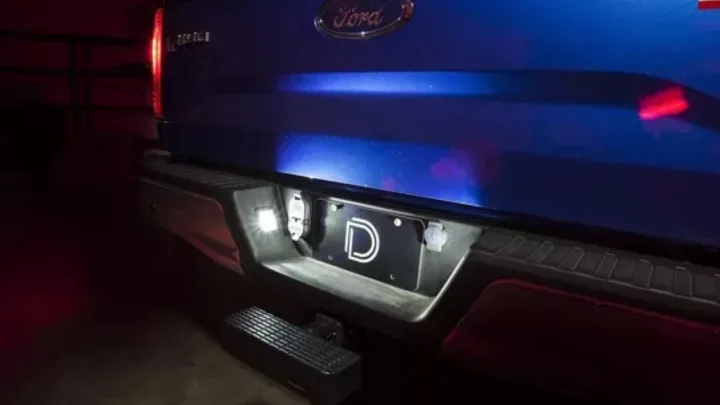
A dead license plate light is one of those small car problems that can turn into an annoying traffic stop. The good news: in most vehicles, the fix is quick and inexpensive. The most common causes are a burnt-out bulb, a blown fuse, corrosion in the socket, or a loose wire connection near the trunk or hatch.
This guide gives you a simple “diagnose first, repair second” path you can follow in your driveway, even if you’re a beginner.
Why your license plate light matters
License plate lights help your plate stay readable at night for safety and legal visibility. When the light is out, your plate can be hard to identify in low light. Many drivers only notice the issue during an inspection, after a warning, or when replacing other rear bulbs.
Tools, time, cost (what most drivers need)
Time: 5–20 minutes (bulb), 20–60 minutes (wiring/socket)
Cost:
-
Standard bulb: $2–$10
-
LED replacement bulb: $8–$25
-
Plate light assembly/module: $15–$60+
Difficulty: Easy (bulb/fuse) → Medium (socket/wiring)
Tools you may use:
-
Flathead + Phillips screwdriver
-
Replacement bulb (or LED equivalent)
-
Gloves (recommended)
-
Small wire brush or contact cleaner (optional)
-
Multimeter or test light (helpful for electrical diagnosis)
Symptoms and what they usually mean
Common symptoms
-
No light at all: bulb, fuse, no power to socket, bad ground
-
Dim or flickering: weak bulb, corrosion, loose bulb fit, poor ground
-
Works sometimes: loose connector, broken wire near hinge, corrosion
-
New bulb still doesn’t work: fuse/power/ground problem or bad socket
Quick troubleshooting table (fast diagnosis)
| Symptom | Most likely cause | Best first fix |
|---|---|---|
| No light | Burnt bulb | Replace bulb |
| No light after bulb | Blown fuse | Check/replace fuse |
| Flicker/dim | Corrosion/loose contact | Clean socket + reseat bulb |
| Works sometimes | Loose ground/connector | Tighten/secure connections |
| Fuse keeps blowing | Shorted wire | Inspect harness + get professional help |
| LED doesn’t light | Polarity issue | Flip bulb or use non-polar LED |
Safety first (do this before electrical work)
If you’re only swapping a bulb, you usually don’t need to disconnect the battery. But if you’re testing wiring, cleaning contacts with liquid cleaner, or touching exposed connectors:
-
Turn off ignition, remove the key
-
Avoid touching bulb glass with bare fingers (especially halogen)
-
If you’ll inspect wiring: disconnect the negative battery terminal
Step 1: Access the license plate light
Most vehicles place the license plate light:
-
Above the plate on the trunk/hatch handle area, or
-
In the rear bumper trim above the plate
Remove the light cover
-
Turn the lights off.
-
Locate screws or retaining clips holding the lens.
-
Use the correct screwdriver and remove the lens carefully.
-
Keep screws/clips in a safe place.
Tip: If the lens is stubborn, do not pry aggressively. Many lenses crack easily in cold weather.
Step 2: Inspect and replace the bulb (most common fix)
Check for bulb burnout
Remove the bulb and look for:
-
Darkened glass
-
Broken filament (incandescent types)
Replace it correctly
-
Match the bulb type using your owner’s manual or the bulb’s code.
-
Insert the new bulb firmly (don’t force it).
-
Reinstall the lens temporarily.
-
Turn on parking lights and test.
If it works: fully reassemble and you’re done.
Step 3: Check the fuse (if the bulb isn’t the issue)
If the new bulb doesn’t turn on, the fuse is a high-probability culprit.
How to check it
-
Find the fuse boxes (often under dash + engine bay).
-
Look for labels like TAIL, PARK, ILLUM, LICENSE, PLATE.
-
Remove the fuse and inspect it (or use a fuse tester).
-
Replace with the same amperage.
Important: If the fuse blows again quickly, don’t keep replacing it. That usually means a short in wiring.
Step 4: Clean the socket and contacts (common hidden cause)
Even a perfect bulb won’t light if the socket is corroded or dirty.
What to do
-
Look for green/white corrosion on contacts.
-
Use a small wire brush or electrical contact cleaner.
-
Ensure the bulb fits tightly and doesn’t wobble.
Quick win: Many intermittent plate lights are simply loose contact problems.
Step 5: Test for power at the socket (if you have a multimeter)
This step tells you whether the problem is “power delivery” or “socket/ground.”
-
Turn on parking lights.
-
Set multimeter to DC voltage.
-
Place black probe on a clean metal ground point.
-
Touch red probe to the socket power contact.
Typical result: you should see battery-like voltage.
-
Voltage present: likely socket corrosion, bad bulb fit, or bad ground
-
No voltage: likely fuse, wiring break, connector issue
Step 6: Inspect wiring where it breaks most often
Wiring issues often happen:
-
Near the trunk/hatch hinge (wires flex constantly)
-
Around the license plate garnish/trim connector
-
Where water can enter and corrode connectors
What to look for
-
Pinched or cracked insulation
-
Frayed wire strands
-
Loose connector pins
-
Signs of moisture in the housing
If you find damaged wiring and you’re not comfortable repairing it safely, this is a smart point to get help.
LED upgrades (brighter, longer life, fewer replacements)
LEDs are popular because they last longer and look cleaner. For best results:
-
Choose white LEDs designed for license plate use
-
Avoid ultra-bright bulbs that cause glare
-
If an LED doesn’t light, flip it (polarity sensitive) or use “non-polar” LEDs
-
If you get a dash warning, you may need a compatible LED or resistor solution (varies by car)
Legal note: Plate lights generally need to illuminate the plate clearly without colored lighting or glare. Rules can vary by location.
Reassembly and final test
-
Refit the lens and tighten screws gently.
-
Turn on parking lights.
-
Confirm:
-
Light is stable (no flicker)
-
Plate is evenly illuminated
-
Lens sits flush and sealed
-
When to seek professional help
Call a pro if:
-
Fuses keep blowing
-
Multiple rear lights fail together
-
You see melted plastic, burnt smell, or hot wiring
-
You cannot access the housing without removing trim you’re unsure about
Complex electrical faults can be quick for a professional to trace with proper tools, and safer than guessing.
Frequently Asked Questions (FAQ)
Why is my license plate light important?
It keeps your plate readable at night for safety and legal visibility. An unlit plate can increase the chance of a traffic stop or citation.
What causes a license plate light to stop working?
Most often it’s a burnt-out bulb. Other common causes include a blown fuse, corrosion in the socket, a loose connector, a weak ground, or a broken wire near the trunk/hatch hinge.
What’s the fastest fix if my license plate light isn’t working?
Replace the bulb first. If it still doesn’t work, check the fuse labeled TAIL/PARK/ILLUM/PLATE and clean the socket contacts.
How do I change a license plate light bulb?
Turn off the lights, remove the lens or housing screws/clips, remove the old bulb, install the correct replacement, test the light, then reinstall the lens.
My new bulb still doesn’t work. What should I check next?
Check the related fuse, confirm the connector is tight, clean corrosion from the socket, and test for power at the socket. If there’s no power, inspect wiring near the trunk/hatch hinge.
Why does my license plate light flicker or work sometimes?
Intermittent operation is usually caused by a loose bulb fit, corroded socket contacts, a loose connector, or a weak ground. Cleaning and securing connections often fixes it.
Where is the fuse for the license plate light?
It depends on the vehicle, but it’s commonly in the interior fuse panel or engine bay fuse box under labels like TAIL, PARK, ILLUM, LICENSE, or PLATE. Your owner’s manual shows the exact slot.
Can I drive with a license plate light out?
It can be ticketable and reduces nighttime plate visibility. It’s best to fix it promptly to stay compliant and avoid safety issues.
Are LED license plate bulbs legal in the USA?
Usually yes if they emit white light, properly illuminate the plate, and don’t create glare. Avoid blue/purple tones and follow any local requirements.
What if the fuse keeps blowing after I replace it?
A repeatedly blowing fuse usually indicates a shorted wire, damaged harness, or moisture causing a short. Stop replacing fuses and inspect wiring or have a professional diagnose it.
How much does it cost to fix a license plate light?
Typical cost is $2–$10 for a standard bulb, $8–$25 for an LED bulb, and $15–$60+ for a full plate light assembly. Labor varies if wiring repair is needed.
When should I seek professional help?
Get help if fuses keep blowing, multiple rear lights fail, you find melted plastic or burning smells, or you can’t safely access/repair wiring and connectors.
Disclosure
Some links may be affiliate links. That means we may earn a small commission at no extra cost to you.