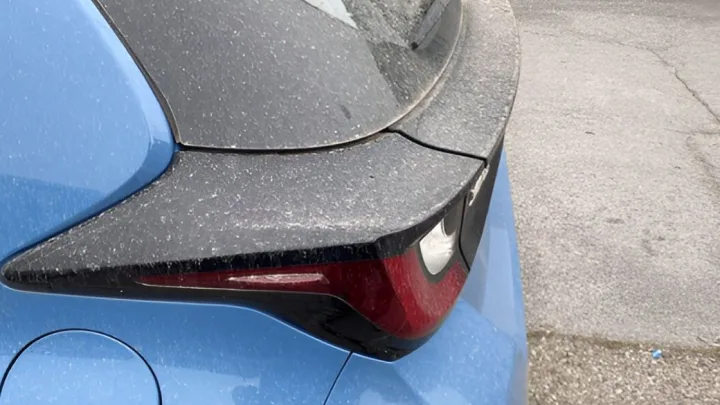
Most drivers do not think about rear light covers until one cracks, fogs up, or starts letting water inside. That small plastic lens on the back of your vehicle does more than make the car look complete. It protects the lighting system that tells other drivers when you are braking, turning, reversing, or simply driving in low visibility.
In everyday USA driving, that matters a lot.
Whether you are commuting on a busy freeway, backing out of a grocery store parking space, driving through heavy rain, or sitting in stop-and-go traffic, your rear lights help prevent confusion. When the cover is damaged or cloudy, those signals may become dim, distorted, or harder to notice.
That is why reliable rear light covers should be treated as safety parts, not just exterior trim.
Why Rear Light Covers Matter
Rear light covers act as a protective shield for the tail light system. They help guard bulbs, LED boards, reflectors, seals, wiring, and internal housings from outside damage.
A strong, properly fitted rear light cover helps with:
- Better signal visibility
- Protection from water and moisture
- Reduced risk of electrical problems
- Protection from rocks, road salt, and debris
- A cleaner, more complete vehicle appearance
- Compliance with basic rear lighting expectations
For USA drivers, visibility is one of the biggest reasons to replace a damaged cover quickly. A cracked or hazy lens may not seem urgent during the day, but it can become a bigger problem at night, in fog, during rainstorms, or on poorly lit roads.
If the driver behind you cannot clearly see your brake lights, reaction time drops. That small delay can matter.
Rear Light Cover vs. Tail Light Assembly
Many shoppers get confused by these two terms. That confusion can lead to ordering the wrong part.
Rear Light Cover
A rear light cover, sometimes called a tail light lens, is the outer transparent or colored plastic piece. It is the part you see from outside the vehicle.
Its job is to protect the lighting components and help direct or filter light correctly.
Tail Light Assembly
A tail light assembly is the complete unit. It may include the lens, housing, seals, reflectors, bulbs or LED boards, sockets, and sometimes wiring.
On many newer cars, trucks, and SUVs, the lens is not sold separately. If the cover cracks or the seal fails, you may need to replace the entire tail light assembly.
Which One Do You Need?
If only the outer lens is lightly scratched, restoration may be enough. If the cover is cracked, leaking, loose, or broken around the mounting points, replacement is usually the smarter choice.
For many modern vehicles, especially LED tail lights, replacing the full assembly is often the most reliable fix.
How Damaged Rear Light Covers Affect Safety
Rear lights are not decoration. They are communication tools.
They tell other drivers:
- You are slowing down
- You are turning left or right
- You are backing up
- Your vehicle is on the road at night
- Your car is visible in bad weather
When the cover is damaged, that message can become unclear.
A cracked lens may allow water inside. A cloudy lens may reduce brightness. A missing piece may expose white light where red or amber light should appear. A loose cover may vibrate, shift, or eventually fall off.
These problems can make your vehicle harder to read in traffic.
Legal and Inspection Considerations in the USA
Rear lighting rules vary by state, but USA vehicles are generally expected to have working rear lights that are visible, properly colored, and in good condition.
A broken rear light cover can create problems if it:
- Makes the brake light too dim
- Shows white light from the rear where it should not
- Lets water damage the bulb, socket, or LED board
- Causes turn signals or running lights to fail
- Makes the lens appear too dark or unclear
Some states have annual safety inspections. Others do not. But even in states without regular inspections, a visibly broken tail light lens can still draw attention during a traffic stop.
Tinted or smoked rear light covers need extra caution. They may look stylish, but if they reduce brightness too much, they can create safety and legal issues.
Common Causes of Rear Light Cover Damage
Rear light covers take more abuse than many drivers realize. They sit at the back corners of the vehicle, where bumps, debris, and weather exposure are common.
Road Debris
Small stones, gravel, and highway debris can chip or crack the lens, especially at higher speeds.
Parking Lot Bumps
A light tap from a shopping cart, bicycle, garage wall, or another vehicle can damage the cover.
Sun Exposure
UV rays can slowly fade, yellow, or weaken plastic. This is common in sunny states like Arizona, Texas, Florida, Nevada, and California.
Moisture and Bad Seals
If the seal around the lens or assembly fails, water can enter the housing. This may cause fogging, corrosion, flickering, or bulb failure.
Harsh Cleaners
Abrasive pads, strong solvents, and rough polishing products can scratch or dull the lens.
Cold and Heat Cycles
Temperature changes can stress plastic over time. This is especially common in areas with harsh winters and hot summers.
Best Materials for Rear Light Covers
Material quality makes a big difference in durability, clarity, and long-term value.
Polycarbonate
Polycarbonate is commonly used in quality automotive lighting parts because it is strong and impact-resistant. It is usually the better choice for daily driving, especially if you drive on highways, gravel roads, or in areas with harsh weather.
Best for: daily drivers, trucks, SUVs, commuting vehicles, and long-term use.
Acrylic
Acrylic can offer good clarity, but it is generally more brittle than polycarbonate. It may crack more easily under impact.
Best for: light-duty use or certain older vehicles where acrylic-style replacement lenses are the available option.
Low-Grade Plastic
Cheap, poorly made plastic may look fine at first, but it can yellow faster, fit poorly, leak sooner, or reduce light output.
Not recommended for: drivers who want long-term reliability, proper sealing, and consistent visibility.
Key Factors to Consider Before Buying
Buying a rear light cover or tail light assembly should not be a guessing game. Fitment matters.
Vehicle Year, Make, and Model
Always match the exact year, make, and model. A part that fits a 2022 model may not fit the 2023 version, even if the vehicle looks similar.
Trim Level
Different trims can use different lighting systems. For example, a base trim may use halogen bulbs while a higher trim may use LED tail lights.
Body Style
Sedans, hatchbacks, coupes, wagons, SUVs, and pickup trucks may use different rear light shapes, even within the same model name.
Driver Side vs. Passenger Side
Rear light parts are usually side-specific. Make sure you are ordering left or right correctly.
In the USA, “driver side” means left side. “Passenger side” means right side.
Lens-Only vs. Full Assembly
Some vehicles allow lens-only replacement. Many newer vehicles do not. Check the product listing carefully before buying.
DOT and SAE Markings
Look for parts that meet applicable road-use standards. Many quality replacement lights include DOT or SAE markings. This is especially important if you are buying aftermarket parts online.
Seal and Gasket Quality
A rear light cover is only reliable if it seals properly. A poor seal can allow water inside and cause bigger problems later.
Clear vs. Tinted Rear Light Covers
Rear light covers come in different appearances. The safest option for most drivers is an OEM-style clear or red lens that matches the original design.
Clear or OEM-Style Covers
These are ideal for visibility, legal confidence, and daily driving. They are usually the best choice for family vehicles, commuters, and anyone who wants a straightforward replacement.
Tinted or Smoked Covers
Tinted covers can give a custom look, but they may reduce brightness. That matters at night, during storms, and in heavy traffic.
Best for: show cars or style-focused builds where brightness remains road-safe.
Not recommended for: drivers who are unsure about local laws or who already have dim rear lighting.
Pros and Cons of Replacing Rear Light Covers
Pros
Replacing a damaged rear light cover can improve visibility, prevent water damage, restore the vehicle’s appearance, and reduce the chance of lighting-related issues.
It can also help protect more expensive components inside the tail light assembly.
Cons
The main downside is cost, especially if your vehicle requires a full assembly instead of a simple lens. Some modern LED assemblies can be more expensive than older bulb-style units.
Installation may also be tricky on vehicles that require interior panel removal.
When Should You Replace a Rear Light Cover?
Replace the cover or assembly if you notice:
- Cracks in the lens
- Missing plastic pieces
- Water droplets inside the light
- Fogging that keeps coming back
- Yellowing that does not polish out
- Loose fitment
- Broken clips or tabs
- Dim or uneven light output
- Flickering caused by moisture or corrosion
A small crack can turn into a larger leak. Once water gets inside, the repair may become more expensive.
Repair vs. Replacement
A light scratch or mild haze may be repairable with a proper plastic restoration product. This works best when the lens is still sealed and structurally sound.
Replacement is the better choice when the lens is cracked, leaking, warped, loose, or broken around the mounting points.
As a simple rule: polish for appearance, replace for safety.
Installation: DIY or Professional Help?
Some rear light assemblies are easy to replace. Others are more involved.
DIY May Be Fine If:
- The assembly uses simple bolts
- The connector is easy to access
- No wiring repair is needed
- The seal is included and fits properly
- You are comfortable removing minor trim pieces
Consider a Professional If:
- Wires are corroded
- The LED board is damaged
- The assembly is hard to access
- The seal must be carefully aligned
- You are unsure whether water damage has spread
A proper installation should be tight, aligned, sealed, and fully functional. After installation, test every function before driving.
Maintenance Tips That Help Rear Light Covers Last
Rear light covers do not need complicated maintenance. A few simple habits can help them stay clear and reliable.
Wash them with mild car soap and water. Dry them with a clean microfiber towel. Avoid abrasive scrubbers, rough brushes, and harsh chemicals.
Check them once a month. Turn on your running lights, brake lights, turn signals, and reverse lights. Look for dim areas, flickering, cracks, fogging, or water inside the lens.
After heavy rain or a car wash, take a quick look at the rear lights. If you see moisture inside, address it early.
Common Mistakes to Avoid
The biggest mistake is buying by looks alone. A rear light cover needs to fit, seal, and perform correctly.
Avoid these common errors:
- Ordering the wrong side
- Ignoring trim-level differences
- Buying a lens when you need the full assembly
- Choosing very dark tinted covers without checking brightness
- Reusing a damaged gasket
- Ignoring water inside the light
- Using glue or tape as a long-term repair
- Assuming all aftermarket parts fit like OEM
A cheap part that leaks or does not align properly can cost more in the long run.
Expert Tips for USA Buyers
For most USA drivers, the best rear light cover is the one that matches the original factory design, fits tightly, and keeps the light output bright and legal.
Before buying online, enter your VIN or use a trusted fitment checker when available. Compare photos carefully, especially the mounting tabs, connector area, and lens shape.
If you drive a pickup truck or SUV, pay attention to whether the part fits models with blind spot monitoring, LED packages, or special trim lighting.
For older cars, check whether lens-only parts are available. For newer cars, expect that a full assembly may be required.
If you live in a snowy state, make sure the part seals well against moisture and road salt. If you live in a sunny state, prioritize UV-resistant materials.
Final Recommendation
Reliable rear light covers are small parts with a serious job. They protect your tail light system, keep your brake and turn signals visible, and help other drivers understand what your vehicle is doing.
If your rear light cover is cracked, cloudy, loose, or holding moisture, do not treat it as a minor cosmetic flaw. It can affect safety, visibility, and possibly inspection or traffic-stop outcomes.
For most drivers, an OEM-style replacement with proper fitment, strong material, and a good seal is the smartest choice. It keeps your vehicle safer, cleaner, and easier to see on the road.
Frequently Asked Questions (FAQ)
What is a rear light cover on a car?
A rear light cover is the outer lens that protects tail light components while allowing brake, turn, and reverse lights to remain bright and visible.
Is it illegal to drive with a broken rear light cover?
Your rear lights must be visible and functioning. A broken or missing cover can reduce visibility and may lead to tickets or inspection issues depending on location and severity.
Can I replace just the tail light lens cover?
Some vehicles allow lens-only replacement, but many modern designs require replacing the full tail light assembly to restore sealing and fit.
What causes rear light covers to crack or break?
Common causes include road debris impact, minor bumps, temperature changes, UV aging, and brittle low-quality plastic.
Why is there moisture or fog inside my tail light?
Moisture usually enters through a cracked lens, damaged seal, or poor fitment, which can lead to fogging and electrical issues over time.
What is the best material for a rear light cover?
Polycarbonate is typically best for impact resistance and durability. Acrylic can be clear but may crack more easily.
Do tinted rear light covers reduce safety?
They can if too dark, because they reduce brightness and visibility. If you choose tinted, ensure the lights remain clearly visible at night and in bad weather.
How do I choose the correct rear light cover for my car?
Match the year, make, model, trim, and body style. Confirm left/right side and compare OEM part numbers when possible.
When should I replace a rear light cover?
Replace it if it’s cracked, missing pieces, loose, leaking moisture, heavily hazed, or causing dim or scattered light output.
Can I install a rear light cover myself?
Often yes for straightforward lens or assembly replacements. If sealing, wiring, or access is complex, professional installation helps prevent leaks and repeat failures.
Will a cracked rear light cover cause electrical problems?
It can. Cracks and leaks allow moisture inside, which may corrode connectors, cause flickering, or trigger intermittent lighting failures.
How can I keep rear light covers clear and bright?
Clean with mild soap and water, avoid abrasives, inspect monthly, and address small cracks early before moisture intrusion causes bigger damage.
Disclosure
Some links may be affiliate links. That means we may earn a small commission at no extra cost to you.