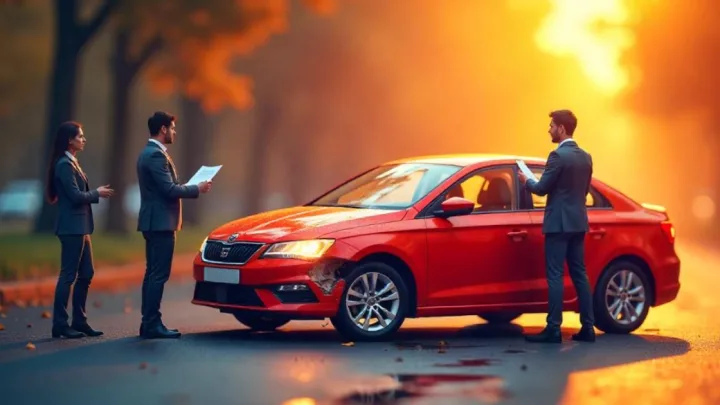
Car ownership isn’t just you and your vehicle. The moment you buy, finance, drive, repair, or insure a car, third parties enter the picture and start influencing cost, safety, responsibility, and claim outcomes.
A third party can be:
-
Another driver, passenger, pedestrian, or property owner
-
A lender or leasing company
-
A repair shop, parts seller, towing provider, or warranty company
-
A technology provider (telematics, ADAS sensors, dashcams, tracking services)
Understanding how third parties work helps you avoid delays, reduce surprise expenses, and choose coverage that actually matches real-life risk.
What “Third Party” Means (Simple Definition)
In car insurance, a third party is anyone other than you (first party) and your insurance company (second party).
That definition matters because most legal and insurance systems in the USA are built around a basic question:
“Who caused the loss, and who pays?”
Third-party involvement often determines:
-
Whether you’re considered at fault
-
How much gets paid out
-
Whether your premium changes at renewal
-
How long the claim takes
-
Whether you need legal help
Third-Party Liability Coverage: What It Covers (and What It Doesn’t)
✅ Typically covered by third-party liability
-
Bodily injury to others (medical bills, lost wages, pain and suffering in many cases)
-
Property damage to others (their vehicle repairs, fences, buildings, poles, etc.)
-
Legal defense costs (if you’re sued, up to your policy terms)
❌ Not covered by third-party liability
-
Your car’s repairs (that’s collision coverage)
-
Your theft/weather/vandalism losses (that’s comprehensive coverage)
-
Your injuries (that may be medical payments/PIP or health insurance)
Quick comparison table
| Coverage Type | Protects | Common Examples |
|---|---|---|
| Third-Party Liability | Other people | You rear-end someone; you hit a mailbox |
| Collision | Your car (crash) | You hit another vehicle or guardrail |
| Comprehensive | Your car (non-crash) | Theft, hail, fire, vandalism, animal hit |
Why Third Parties Change Claim Outcomes
Third parties don’t just “exist” in a claim. They bring evidence, costs, and legal positioning.
1) Evidence changes fast
The other driver may:
-
Provide a different version of events
-
Have dashcam footage
-
Have witnesses
-
File a claim before you do
2) Costs are not always “simple”
A third-party repair estimate can vary wildly depending on:
-
OEM vs aftermarket parts
-
Labor rates (city vs rural)
-
Sensor recalibration needs (common on newer cars)
-
Shop backlog and parts availability
3) Liability rules differ by state
The USA has state-to-state differences (examples):
-
Some states use variations of comparative negligence (fault can be split).
-
Some use no-fault rules for injuries (PIP systems), changing who pays first.
-
Minimum liability limits vary, affecting whether you’re underinsured.
How Fault Is Determined (What Insurers Actually Use)
Fault decisions typically rely on a “stack” of information:
-
Police report (when available)
-
Statements from drivers and witnesses
-
Photos/videos (vehicle damage, road layout, signals, skid marks)
-
Point of impact + damage patterns
-
Traffic laws and right-of-way rules
-
Data (sometimes telematics, event data recorders, dashcam)
Practical tip (high impact)
If you want faster, cleaner claim outcomes, capture:
-
Both license plates
-
Driver’s license + insurance card
-
VIN (if visible) and vehicle model
-
Wide shots of the whole scene + close-ups of damage
-
Street signs and traffic lights
Third Parties and Premiums: When Your Rate Can Change
Third parties affect your premium mainly through claim frequency, claim severity, and fault.
Your premium is more likely to rise when:
-
You’re found mostly or fully at fault
-
Injury claims are involved
-
There are multiple claims in a short period
-
The insurer pays a large amount (severity)
Your premium is less likely to rise when:
-
You’re clearly not at fault and your insurer recovers funds (subrogation)
-
It’s a single minor incident with clean documentation
-
Your record is otherwise excellent (varies by insurer and state)
Reality check: No one can promise “no increase” universally. But you can reduce risk by documenting well and carrying realistic limits.
Third-Party Claims Process (Step-by-Step)
Step 1: Notify and document
-
Contact your insurer promptly
-
Provide basic facts (time, location, involved vehicles)
-
Upload photos and witness info
Step 2: The adjuster investigates
-
Reviews statements, damage, police info
-
Determines likely fault
-
Confirms coverage and limits
Step 3: Estimate and repair path
-
Third-party property damage may be settled by:
-
insurer-approved estimate
-
shop estimate review
-
supplemental estimates if hidden damage appears
-
Step 4: Resolution
-
Payment issued to the third party, repair shop, or both (depends on setup)
-
If disputed: negotiation, arbitration, or legal escalation can occur
Common delay triggers:
-
Conflicting stories
-
Missing photos
-
No police report in a disputed crash
-
Multiple vehicles involved
-
Injury claims
-
Coverage questions (lapsed policy, excluded driver, etc.)
Lenders and Lease Companies: The Third Party You Can’t Ignore
If your car is financed or leased, the lender/lessor has a financial stake in the vehicle.
Typical requirements include:
-
Maintaining collision + comprehensive
-
Keeping deductibles within allowed limits
-
Listing the lender correctly on the policy
-
Repairing the vehicle with acceptable standards after a loss
If you skip required coverage, the lender may add “force-placed” insurance that is usually expensive and limited.
Repairs and Maintenance: Third Parties That Control Quality and Cost
Third-party repair providers can save money or create headaches. The difference is usually:
-
Part quality (OEM vs aftermarket)
-
Warranty terms
-
Technician expertise (especially with sensors and recalibration)
-
Documentation quality (helps claims approval)
How to choose a reliable provider
Use this checklist:
-
Written estimate with itemized labor + parts
-
Clear warranty terms on parts and labor
-
Experience with your vehicle brand and safety systems
-
Strong review history that mentions similar repairs
-
Transparency about supplements and timeline
Safety and Assistance Services (Modern Third-Party Role)
Third-party services increasingly shape your ownership experience:
-
Roadside assistance (towing, jump starts, lockouts)
-
Telematics (usage-based insurance discounts in some cases)
-
ADAS calibration (lane assist, radar, camera systems)
-
Dashcams and tracking (helps evidence and recovery)
These services can improve safety, but also introduce privacy and cost considerations. Read terms, especially around data sharing.
Real-World Scenarios (What Happens in Practice)
Scenario A: Parking lot bump
-
Fault can be disputed if both vehicles were moving
-
Photos and witnesses matter a lot
-
Claims often settle quickly if damage is minor and clear
Scenario B: Rear-end collision
-
Often straightforward, but “sudden stop” claims can complicate it
-
Dashcam footage can speed resolution dramatically
Scenario C: Hit-and-run
-
Third-party is unknown, so your coverage may matter more:
-
collision/comprehensive, uninsured motorist (varies by state/policy)
-
Scenario D: Leased vehicle total loss
-
The lease company will be involved in payoff
-
GAP coverage may matter depending on vehicle value vs balance
Best Practices (2026-ready, low-risk, high-impact)
-
Carry liability limits that match real-world costs (medical and repair prices are high).
-
Keep a simple accident kit: phone charger, pen, paper, and insurance card access.
-
Use a dashcam if legal in your state and set up correctly.
-
Document everything immediately and calmly.
-
Choose repair providers based on warranty + expertise, not just price.
-
Don’t guess in statements. Stick to facts.
Conclusion
Third parties are the hidden gears in car ownership and insurance. They influence your repair quality, claim timeline, legal exposure, and even your next premium. Once you understand who the third party is, what liability covers, and how evidence drives outcomes, you can protect yourself with smarter coverage, faster documentation, and better repair decisions.
Frequently Asked Questions (FAQ)
What is a third party in car insurance?
A third party is anyone other than you and your insurer, usually the other driver, passengers, pedestrians, or a property owner.
What does third-party liability cover?
It typically covers injuries and property damage you cause to others, plus legal defense up to your policy limits.
Does third-party insurance cover my car?
No. Damage to your car is generally covered by collision (crash) and comprehensive (theft, weather, vandalism), not third-party liability.
Can a third-party claim raise my premium?
Yes. If you’re found at fault or claims repeat, your premium may increase. The impact varies by state, insurer, and driving record.
How long does a third-party claim take?
Simple property-damage claims may finish in days to weeks. Disputed fault or injury claims can take weeks to months.
What evidence helps a third-party claim the most?
Clear photos, witness contacts, accurate exchange of information, and a police report when appropriate help speed up decisions.
What if the other driver is uninsured?
Uninsured/underinsured motorist coverage may help depending on your state and policy, especially for injuries and sometimes property damage.
Do lenders require extra coverage for financed or leased cars?
Yes. Financed or leased vehicles commonly require collision and comprehensive coverage and may limit deductible amounts.
Disclosure
Some links may be affiliate links. That means we may earn a small commission at no extra cost to you.