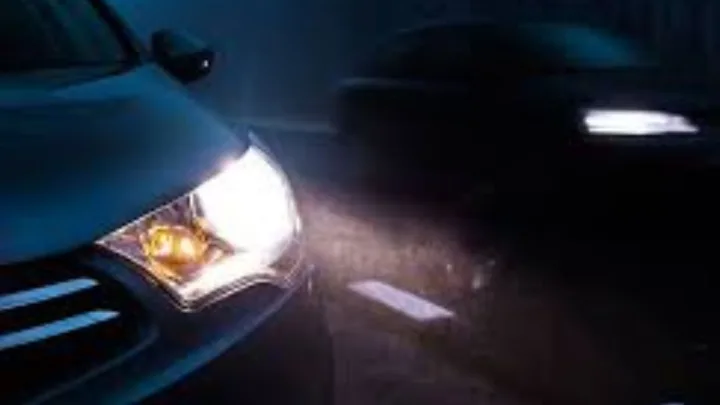
Driving at night looks easy until the road turns unlit, the weather turns ugly, or a deer appears where your headlights don’t reach. A car spotlight (often called an auxiliary driving light) is built for one job: project a stronger, longer beam than standard headlights so you can see hazards sooner and drive with more confidence.
This guide covers what spotlights do, the best types to buy, when to use them legally, and how to avoid common mistakes that get drivers flashed, fined, or frustrated.
What Is a Car Spotlight (And Why It’s Different From Headlights)
A headlight is designed to light up the road directly in front of you with a wide beam pattern. A spotlight is designed to reach farther, usually with a tighter beam that helps you identify hazards earlier.
Spotlight vs Headlight (Simple Comparison)
-
Headlights: Wide illumination for normal driving
-
Spotlights: Longer-distance illumination for dark roads, rural highways, off-road trails, and emergencies
Think of headlights as your “everyday lamp” and spotlights as your “distance finder.”
When a Car Spotlight Helps the Most (Real-World Use Cases)
A spotlight becomes valuable when your normal headlights feel “short.”
1) Rural & Highway Night Driving
-
Helps detect animals, stalled vehicles, debris, and sharp curves earlier
-
Reduces last-second braking situations
2) Fog, Rain, Snow, Dust
-
Stronger light can improve visibility, but correct aiming matters
-
Some setups work better as combo beams (spot + flood)
3) Off-Road Trails & Work Sites
-
Lets you see terrain changes, holes, rocks, and steep drops
-
Useful for trucks, SUVs, and vehicles used for outdoor work
4) Emergencies
-
A spotlight helps with roadside repairs, tire changes, signaling, and visibility while stopped
Types of Car Spotlights (Which One Should You Choose?)
Here are the most common types and how they perform in real use.
Halogen Spotlights
Best for: budget buyers and simple replacements
-
Affordable and widely available
-
Warm color temperature
-
Shorter lifespan and higher power draw than LED
LED Spotlights (Best Overall for 2026)
Best for: most drivers (daily + rural + emergencies)
-
Bright, efficient, long-lasting
-
Lower power consumption
-
Reliable performance in bad weather
-
Instant full brightness
HID Spotlights
Best for: drivers who want intense brightness and long range
-
Very bright and long-reaching
-
Often needs a short warm-up time
-
Can be more complex to install/maintain
Buying Guide: What to Look for Before You Purchase
This is where many buyers waste money, because listings can look impressive but hide weak real-world performance.
Beam Pattern (Very Important)
-
Spot beam: long-distance, focused
-
Flood beam: wider visibility, shorter reach
-
Combo beam: balanced, best for mixed driving
Durability & Weather Rating
Look for sealed housing and weather resistance. For outdoor conditions:
-
water/dust resistance ratings matter (common on reputable listings)
Mounting & Fitment
Choose a model that fits your vehicle’s:
-
grille/bumper/roof rack mounting options
-
space without blocking airflow or other lights
Wiring Quality
A good setup often needs:
-
proper relay wiring
-
fuse protection
-
a clean switch install
Are Car Spotlights Legal in the USA?
In the USA, spotlight legality depends on state laws and how you use them.
General Safe Rule (Works Everywhere)
-
Don’t blind other drivers
-
Don’t use spotlights in heavy traffic or well-lit streets
-
Turn them off when approaching vehicles or driving behind someone close
Avoid This (Common Legal Problems)
-
aiming too high
-
using spotlights as “always on” lights in city traffic
-
using colors that aren’t allowed in your state
Best practice: check your state’s DMV or vehicle code rules for auxiliary lights and beam usage.
Installation Tips (Clean + Reliable Setup)
A good install is about safety, reliability, and avoiding electrical issues.
Choose the Right Location
-
mount where airflow isn’t blocked
-
keep the beam aligned with your driving line
-
avoid mounting that causes glare reflections
Wiring Essentials
-
connect to battery through a fused line
-
use a relay to protect your vehicle’s electrical system
-
install a switch within easy reach
Aiming Basics
-
aim slightly downward and straight ahead
-
test on a flat wall at night and adjust until it lights the road, not the sky
If you’re unsure, professional installation can save time and reduce electrical risk.
Maintenance and Care (Keep It Bright and Reliable)
Cleaning
-
wipe lens with soft cloth
-
avoid harsh chemicals that haze the lens
Bulb/Unit Checks
-
replace bulbs early if light output drops (halogen/HID)
-
check mounting bolts for vibration loosening
-
inspect wiring connections periodically
Troubleshooting Quick Fixes
-
flickering: usually loose wiring or poor ground
-
dim light: failing bulb, weak connection, or voltage drop
-
not turning on: fuse/relay/switch issue
Common Mistakes That Ruin Performance
These are the spotlight “silent killers”:
-
buying the wrong beam pattern for your use case
-
mounting too high and creating glare
-
skipping a relay/fuse setup
-
aiming too high (blinds drivers and reduces road visibility)
-
using it in traffic and getting flashed nonstop
Fix these, and your spotlight becomes a true upgrade instead of a headache.
Real-Life Scenarios (Why Drivers Keep Them)
Drivers who travel at night often say the biggest benefit isn’t “brightness.” It’s time: seeing hazards earlier gives you extra seconds to react. Those seconds matter when it’s rain-soaked asphalt, a deer, or road debris.
Conclusion
A car spotlight is one of the most practical upgrades for night driving, rural routes, off-road conditions, and emergency situations. The best results come from choosing the right type (often LED), picking the correct beam pattern, installing it safely with proper wiring, and using it responsibly so it never creates glare for other drivers. If you drive where darkness wins often, a spotlight helps you take the road back.
Frequently Asked Questions (FAQ)
What is a car spotlight used for?
A car spotlight is used to project a longer, brighter beam so drivers can see hazards sooner on dark roads, rural highways, and off-road trails.
Do spotlights drain the car battery?
They can if wired incorrectly or used for long periods with the engine off. LED spotlights typically use less power than halogen or HID.
Which is better for most drivers: LED or halogen?
LED is usually better because it is brighter, more efficient, and lasts longer while drawing less power.
Can I install a spotlight myself?
Yes. A safe install typically includes a relay, fuse protection, proper grounding, secure mounting, and correct aiming.
Are car spotlights legal in the USA?
In many cases yes, but laws vary by state. They must be aimed correctly and used responsibly to avoid blinding other drivers.
Disclosure
Some links may be affiliate links. That means we may earn a small commission at no extra cost to you.