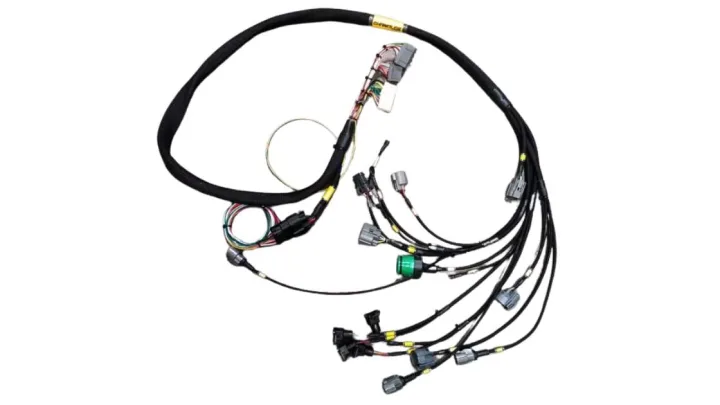
Electrical problems in the engine bay can feel like your car is speaking in warning lights and random glitches. The engine compartment wiring harness is the main “electrical highway” that connects sensors, injectors, ignition components, the alternator, cooling fans, and more. When it’s damaged, you can get anything from a mild annoyance to a no-start situation.
This USA-focused guide gives you a straight cost answer, a clean breakdown, and decision-ready steps so you can budget confidently.
Cost Summary Table (Most People Only Need This)
| Scenario | Typical Total Cost (USA) | Typical Hours |
|---|---|---|
| Diagnostic + small wiring repair (single area) | $200–$600 | 1–3 hrs |
| Moderate harness repair (multiple wires/branches) | $500–$1,500 | 3–8 hrs |
| Partial harness replacement (section/branch) | $700–$2,500 | 4–10 hrs |
| Full engine compartment harness replacement | $1,000–$4,000+ | 6–15+ hrs |
Heads-up: Some vehicles can exceed these ranges, especially luxury brands, hybrids/EVs, or models with tight engine-bay packaging.
What an Engine Compartment Wiring Harness Does
The harness is a bundled set of wires, connectors, clips, and protective sheathing that carries power and signals across the engine bay. It supports critical systems like:
-
ignition and fuel delivery signals
-
sensors (O2, MAF/MAP, crank/cam sensors)
-
cooling fans and relays
-
charging system connections
-
emissions and monitoring systems
Because it runs near heat, vibration, fluids, and moving parts, it’s a common target for wear, corrosion, and accidental damage.
Symptoms of a Faulty Engine Compartment Harness
1) Warning lights that don’t make sense
Common lights include:
-
Check Engine Light
-
Battery/Charging Light
-
ABS/Traction Light (if related wiring is affected)
2) Electrical weirdness
-
flickering lights
-
random sensor codes
-
intermittent stalling, misfires, rough idle
-
fans running constantly (or not running when they should)
-
radio/dashboard glitches (less common, but possible if power/ground issues spread)
3) Safety red flags (don’t ignore)
If you notice burning smell, melted plastic smell, smoke, repeated no-start, or hot spots near wiring, treat it as urgent. Harness damage can create shorts that affect reliability and, in rare cases, escalate into more serious electrical problems.
What Drives the Cost in 2026?
Vehicle type and complexity
-
Luxury / performance vehicles often have denser wiring, more modules, and more expensive connectors.
-
Some vehicles require removing intake components, battery trays, fuse/relay boxes, or other parts just to reach the harness.
Extent and location of damage
-
Localized damage (one connector or small branch) is usually repairable.
-
Widespread damage (multiple branches, brittle insulation, melted sections) often pushes toward replacement.
Labor rate and shop type
-
Many independent shops: $110–$160/hr
-
Many dealers / high-cost metros: $150–$190/hr (or more)
Root cause (and whether it’s still happening)
If the cause isn’t fixed, the problem can return:
-
rodent damage
-
oil leaks soaking insulation
-
heat damage from missing shields
-
aftermarket wiring splices done poorly
Cost Breakdown: What You’re Paying For
Labor (the biggest chunk)
Harness work is time-heavy because technicians may need to:
-
remove covers/components for access
-
inspect multiple branches
-
trace faults and confirm with tests
-
rewrap, re-pin, solder/crimp, and protect the repair
-
verify system behavior after repair
Parts and materials
Common costs include:
-
connector pins/terminals, pigtails, heat-shrink, loom wrap
-
clips/fasteners that break during removal
-
replacement harness section or full harness (varies wildly by model)
Diagnostics
A typical diagnostic fee is often $100–$200+, depending on the shop and how long troubleshooting takes. Electrical problems can be intermittent, so diagnosis is sometimes the hidden cost people don’t budget for.
Repair vs Replacement: Which Makes Sense?
Repair is usually best when:
-
damage is small and localized
-
insulation is still healthy elsewhere
-
connectors aren’t melted or brittle
-
the harness isn’t oil-soaked and deteriorating
Replacement is usually smarter when:
-
damage is spread across multiple branches
-
insulation is cracking/brittle from heat/age
-
there’s evidence of melting/overheating
-
repeated problems keep coming back
-
rodent damage is extensive and hidden along the loom
Practical rule: If you’re patching many spots, replacement often becomes cheaper long-term than endless “whack-a-wire” repairs.
DIY vs Professional: The Real Tradeoff
DIY can work for very minor issues if you have experience
Pros:
-
save labor costs
-
control parts choices
Cons:
-
miswiring can trigger new faults
-
poor repairs can cause intermittent issues that are hard to track
-
missing proper sealing can allow moisture and corrosion
Professional repair is usually worth it for engine-bay harness problems
Benefits:
-
correct tools (terminal depinning, crimping, testing)
-
correct sealing and strain relief
-
faster diagnosis
-
many shops provide workmanship warranties
If your car is a daily driver, paying for a clean repair often saves money later by preventing repeat visits.
How to Find a Reliable Mechanic for Harness Work (USA)
Check credentials
-
Look for ASE certification (especially electrical/engine performance strengths)
-
Ask if they regularly handle electrical diagnostics
Read reviews the smart way
Look for mentions of:
-
“electrical diagnosis”
-
“intermittent problem fixed”
-
“explained clearly”
-
“no upsell”
Ask these 3 questions (fast filter)
-
Will you provide a written estimate with labor hours?
-
Will you show me the damaged section or photos?
-
What’s the plan to prevent this from happening again (rodents/leaks/heat)?
How to Save Money Without Creating Future Problems
Use quality parts wisely
-
Aftermarket can save money, but prioritize reputable connectors/pigtails and proper sealing.
-
For some vehicles, OEM harness sections fit better and reduce labor time.
Fix the root cause
-
Oil leak dripping onto wiring? Fix the leak.
-
Missing heat shields or broken clips? Replace them.
-
Rodent issue? Use deterrents and inspect for hidden damage.
Avoid “cheap fixes” that backfire
Twist-and-tape repairs often fail in the engine bay. Heat and vibration turn weak repairs into repeat bills.
Warranty and Insurance: Can They Cover This?
Warranty
-
New car warranty may cover defects, but not damage from external causes.
-
Extended warranties vary; electrical harness coverage depends on the contract wording.
Insurance
-
Comprehensive coverage may help if damage is from certain incidents (like animals), but approval depends on your policy and insurer.
Tip: Keep photos, estimates, and all receipts. Documentation makes claims smoother.
Final Takeaway
Most engine compartment harness fixes land in the $200–$1,500 range, but full replacement can climb to $1,000–$4,000+. The biggest drivers are labor hours, access difficulty, and how widespread the damage is. A well-done repair plus fixing the root cause can prevent repeat electrical headaches and protect your budget long-term.
Last updated: 2026 (USA pricing ranges)
Note: Prices vary by vehicle, region, and shop rates.
Frequently Asked Questions (FAQ)
How much does it cost to repair an engine compartment wiring harness in the USA?
In 2026–27, most repairs cost $200–$1,500 in the USA. Small localized fixes may be $200–$600, while larger repairs can reach $1,500 depending on damage, access, and shop labor rates.
How much does a full engine compartment harness replacement cost?
A full replacement typically costs $1,000–$4,000+ in the USA. Price varies by vehicle complexity, harness price, and labor hours required to access and route the harness properly.
How many labor hours does wiring harness work usually take?
Localized repairs often take 1–8 hours. Full engine compartment harness replacements commonly take 6–15+ hours, especially on vehicles with tight engine-bay packaging.
Is it safe to drive with a damaged engine wiring harness?
Sometimes no. If you notice stalling, misfires, repeated no-start, burning smell, smoke, or critical warning lights, stop driving and get it inspected because electrical faults can worsen quickly.
What are the most common signs of a faulty engine compartment harness?
Common signs include a check engine light, battery/charging warnings, intermittent electrical failures, misfires, stalling, rough idle, sensor-related codes, and accessories behaving inconsistently.
What usually causes engine compartment harness damage?
The most common causes are heat exposure, vibration/abrasion, moisture/corrosion, oil leaks, accident damage, poor aftermarket wiring, and rodent chewing.
Should I repair the harness or replace it?
Repair is best when damage is small and localized and the rest of the insulation is healthy. Replacement is often better when damage is widespread, insulation is brittle, connectors are melted, or problems keep returning.
How much is a diagnostic fee for wiring harness issues?
Many shops charge $100–$200+ for diagnosis depending on time required. Electrical issues can be intermittent, so accurate troubleshooting may take longer than basic scan-code checks.
Can aftermarket parts reduce the cost safely?
Sometimes. Quality aftermarket pigtails and connectors can reduce costs, but the repair must be sealed and protected properly for engine-bay heat and vibration. Cheap connectors can cause repeat failures.
How can I save money on harness repair without causing repeat problems?
Save money by confirming the root cause (rodents, oil leaks, heat damage), using quality connectors, and ensuring proper sealing and strain relief. A cheap tape-only fix often leads to repeat repairs.
Disclosure
Some links may be affiliate links. That means we may earn a small commission at no extra cost to you.